
By Melissa K. Cannell
The GOP at a Crossroads: Will the Midterms Redefine the Republican Party?
For Republicans, the biggest questions may emerge after voters cast their ballots on November 3.
Read the articleJoin Tony Aguilar as he speaks with Claire Giangravé, reporter for Religion News Service, about several key issues facing the Catholic Church today, including Pope Leo's recent trip to Spain, the challenge of ministering to a global Church, and the future direction of the papacy.
Claire Giangravé
Reporter, Religion News Service, covering the Catholic Church and the Vatican
Casa Margo
By Melissa K. Cannell
For Republicans, the biggest questions may emerge after voters cast their ballots on November 3.
Read the article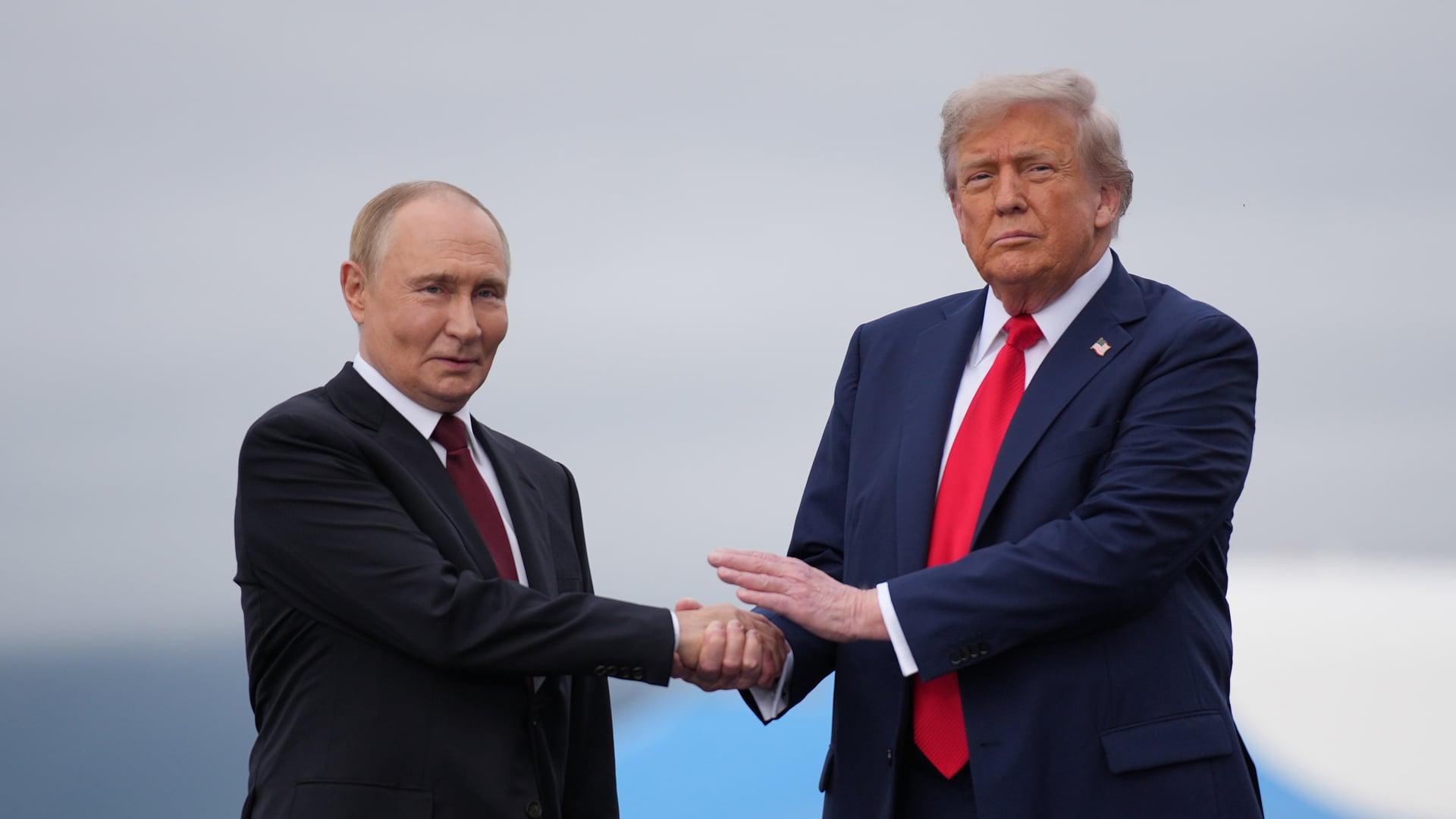
The Aguilar Commentary · By Tony Aguilar
President Donald Trump has announced a deal with Russia where they will provide two million barrels of diesel fuel, lifting US sanctions so Russia can sell to America and the global market — a deal critics say will finance Russia's war in Ukraine.
Read the article.webp)
Coming Event · The Aguilar Conversations
Join the Aguilar Conversations as civil society leader and Executive Director of Transparency International Georgia Eka Gigauri discusses the implications of the nation's Foreign Agents Law and the political climate in Georgia since the Russian invasion in 2008.
Tuesday, October 13th at 7 AM on YouTube
.jpg)
Protests against Chief Election Commissioner Gyanesh Kumar spread across states in a single day. An election commission does not need to be loved. It needs to be believed.
Thucydides wrote that “the strong do what they can, the weak suffer what they must.” Hobbes reminds us the weak still have agency, and the world may be learning how to hunt without waiting for America to lead the pack.

For many in Kosovo, Hashim Thaçi is more than a former president. He is a familiar figure from the country’s journey from war to independence.

Join the Aguilar Conversations on Tuesday, September 29th as Dr. Michael Rossi, political science professor at Rutgers University, discusses the Russian/Ukrainian War.
.webp)
The upcoming mid-term elections will determine whether the United States has entered the era of Donald Trump’s political decline known as a lame duck presidency.
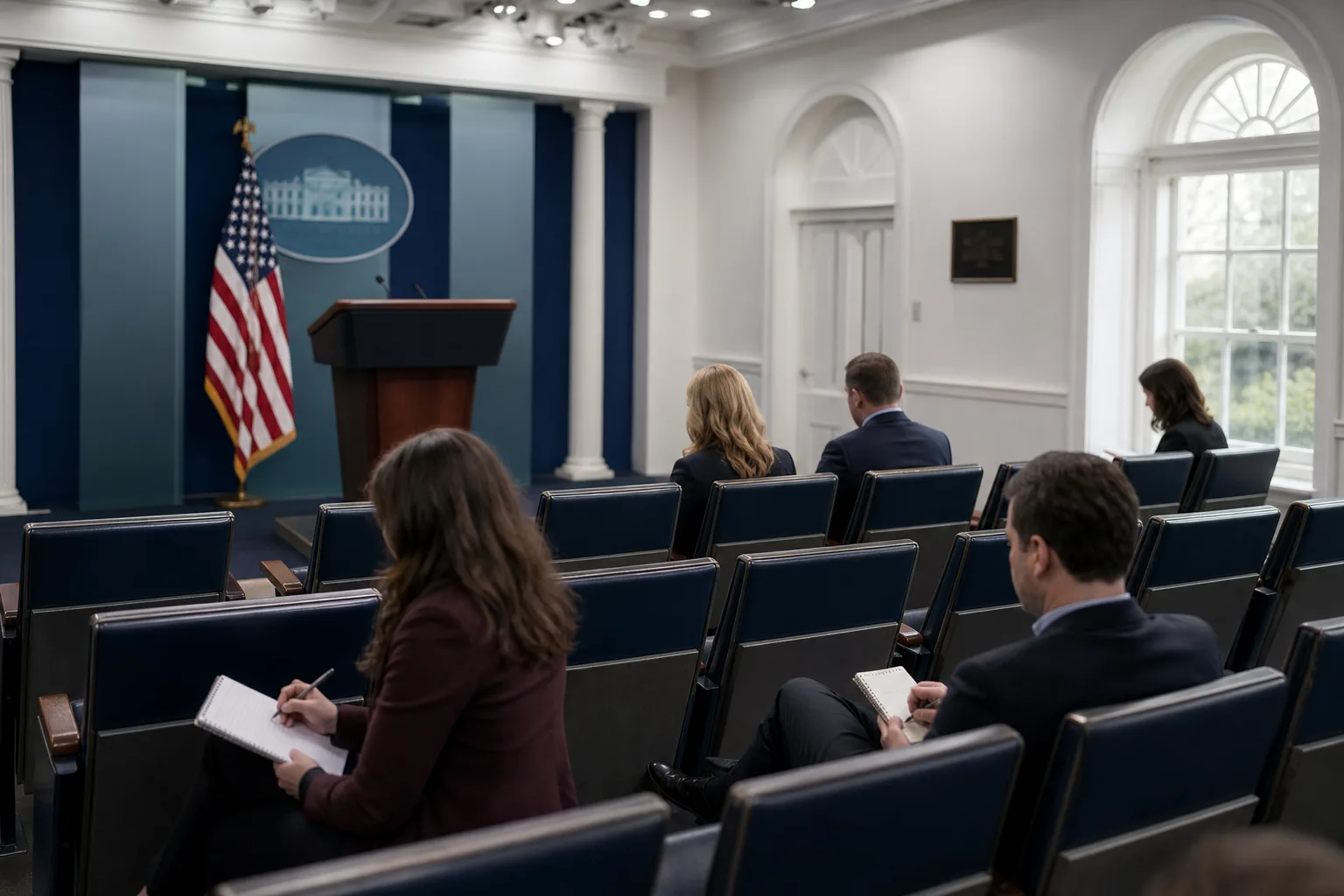
The White House's ban on CNN, MS NOW, and Politico raises a bigger question: can a president restrict journalists over their reporting, and what does the public lose when it does?
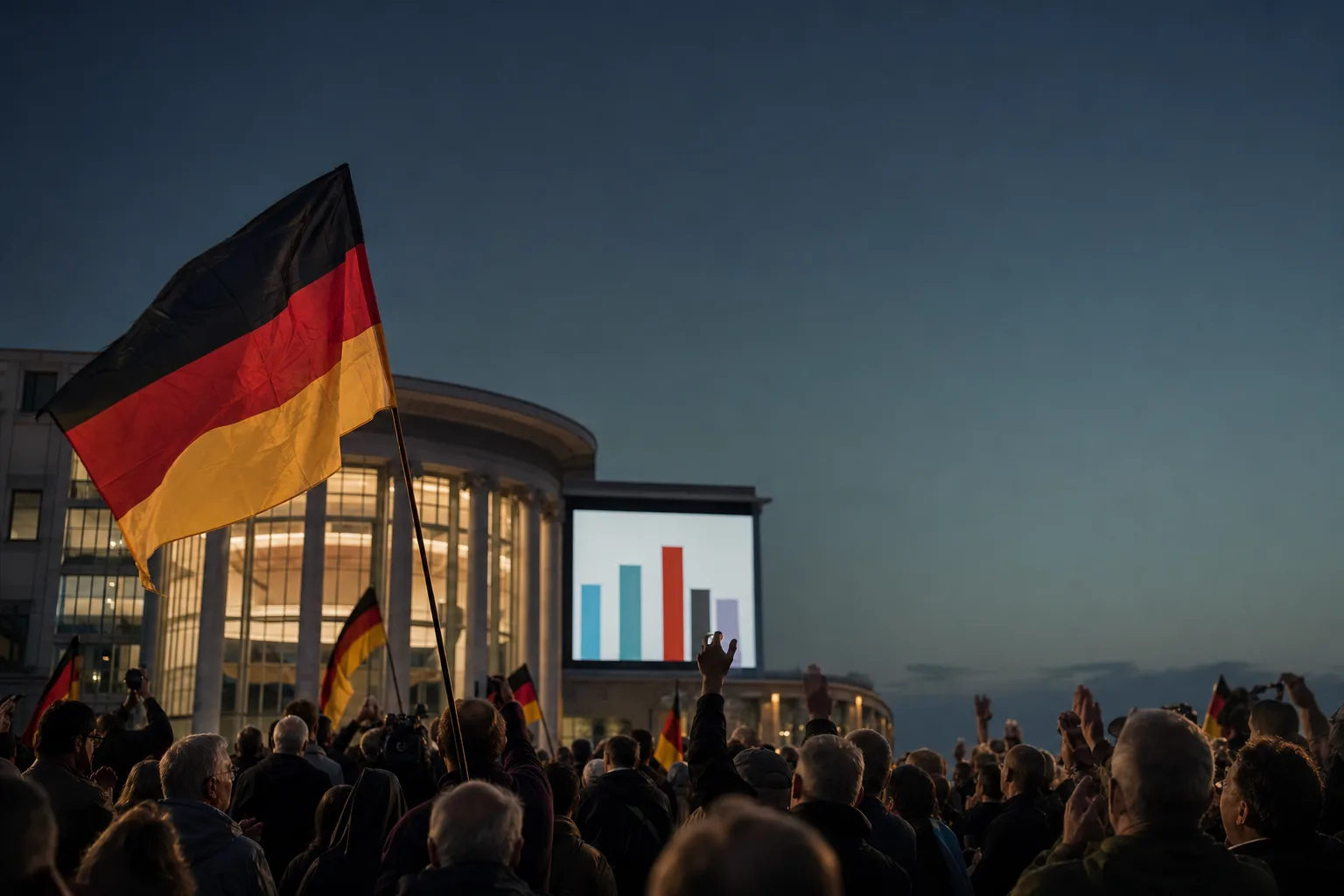
Alternative für Deutschland secured a major victory in Saxony-Anhalt, shattering a post-1945 taboo and sending shockwaves through Germany and the broader European right.

Special Projects Editor for The Haitian Times Macollvie Neel discusses the fallout and implications from the Supreme Court’s decision to uphold the Trump administration’s decision to end Temporary Protected Status.
Macollvie Neel
Special Projects Editor, The Haitian Times
Latest Commentary

Germany · Europe · Hybrid Warfare
Read commentary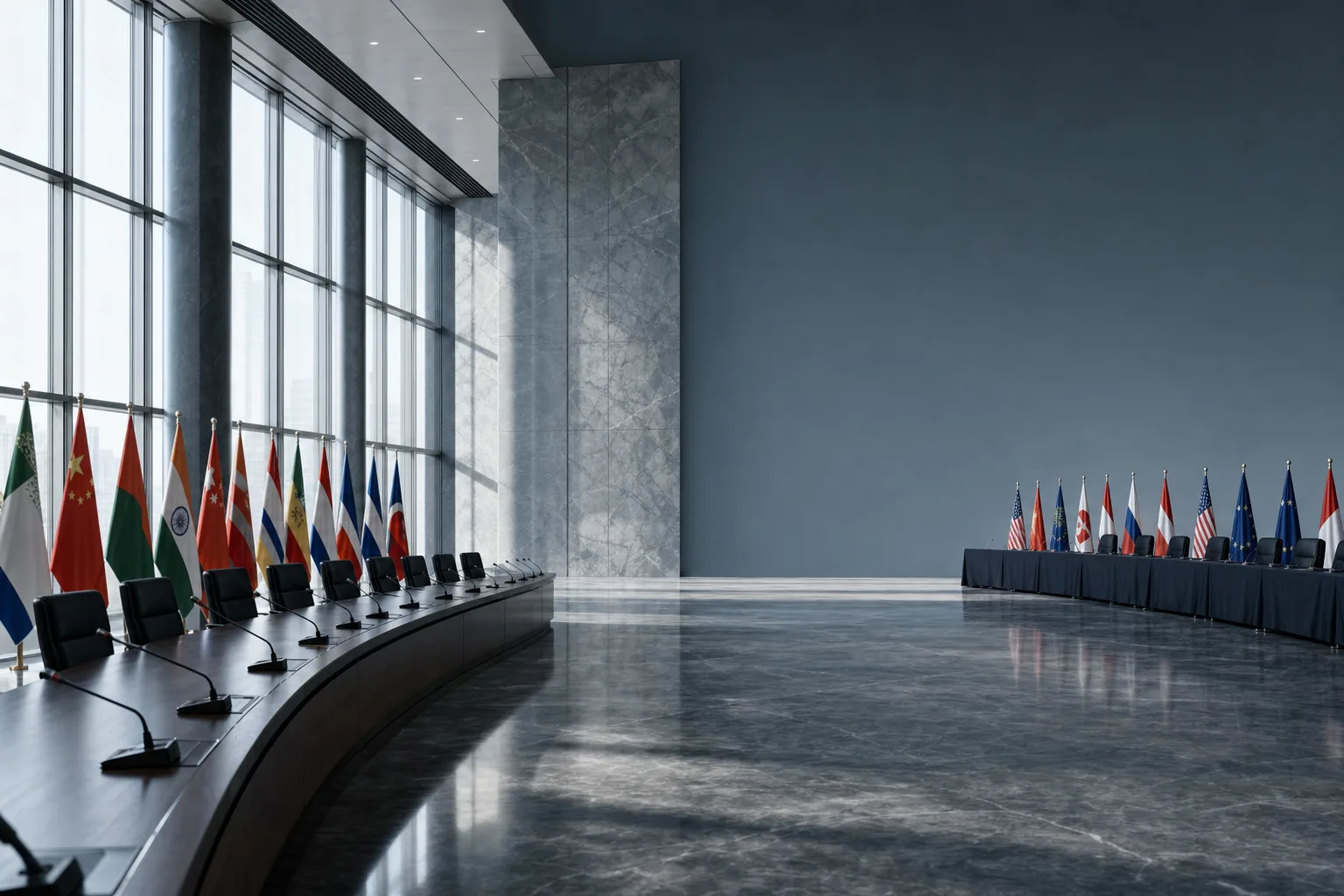
SCO · G20 · Global Order
Read commentary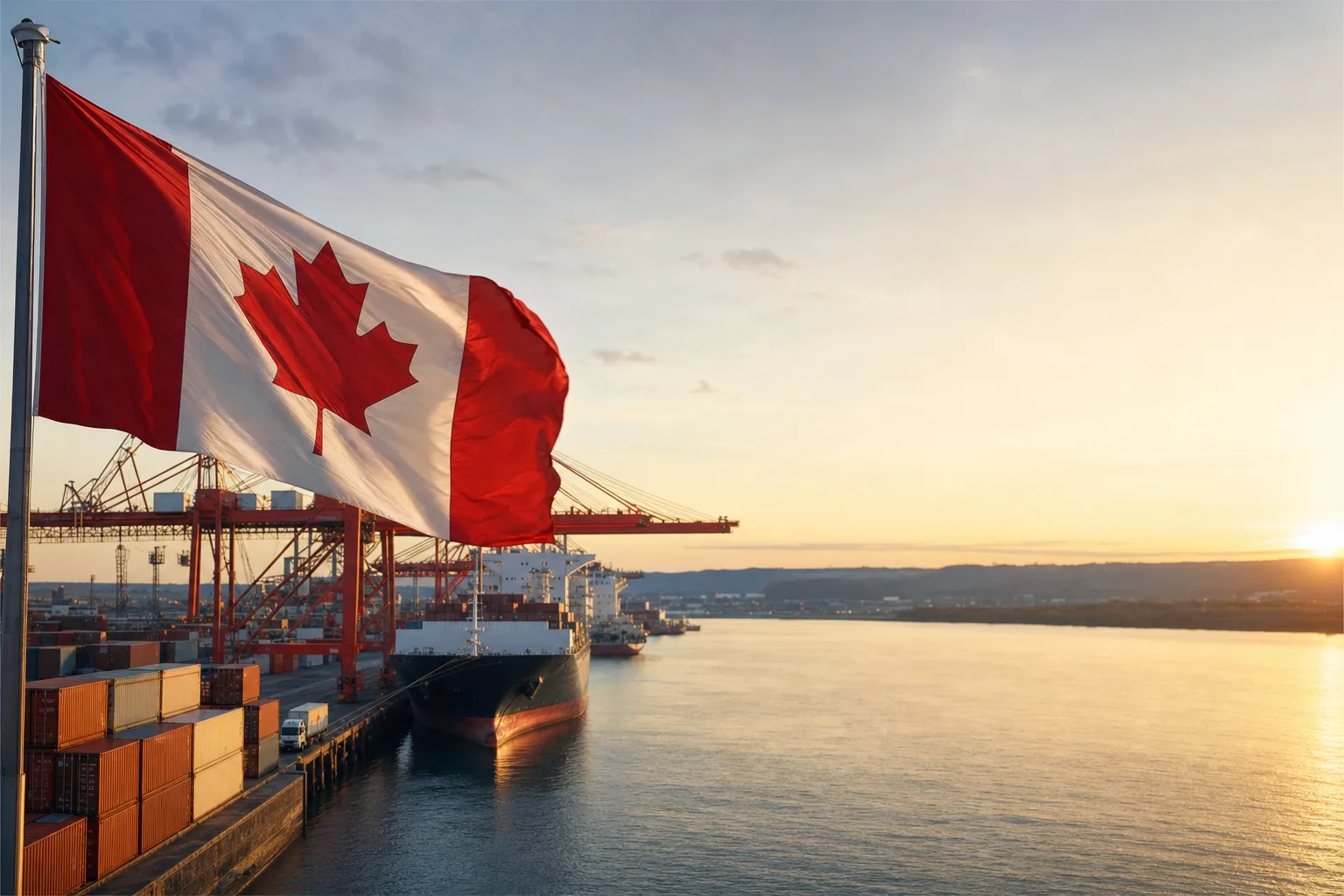
Canada · Trade · Middle Power
Read commentary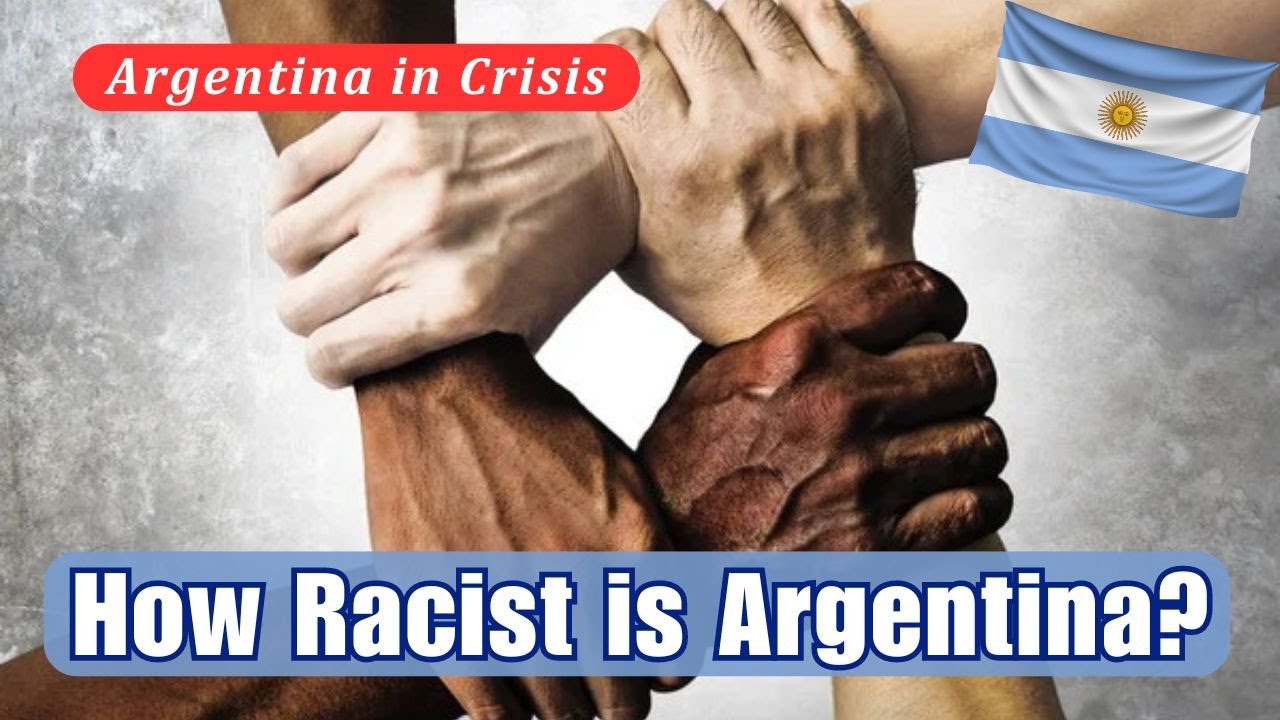
Argentina · Race · History
Read commentary
United States · Politics · 2026 Midterms
Read commentary
Global Health · Cancer · Vaccines
Read commentary
Morocco · Spain · Migration
Read commentary
Artificial Intelligence · Technology · Society
Read commentary
.webp)
The Aguilar Conversations welcomes Dr. Dafydd Townley as he discusses the administration of UK Prime Minister Andy Burnham.
Dr. Dafydd Townley
The Aguilar Conversations welcomes Rev. Dr. Samuel Cruz of Union Theological Seminary as he discusses what he calls "An urgent need of decolonizing the Latinx Pentecostalism and evangelical movement."
Rev. Dr. Samuel Cruz
Professor, Union Theological Seminary
Join Tony Aguilar as he welcomes Dr. Ambrogio Caiani to discuss his new book Flirting with Evil: The Catholic Church in the Age of Total War. The conversation will explore the Catholic Church's complex relationship with totalitarian regimes during the 20th century, and what history reveals about faith, power, and moral compromise.
Dr. Ambrogio Caiani
Historian and author of Flirting with Evil: The Catholic Church in the Age of Total War
Artificial intelligence is changing how people communicate, consume information, and form opinions. Recent reports involving an OpenAI AI agent and Hugging Face have raised new concerns about AI safety, regulation, and the ability of advanced systems to create, manipulate, and distribute convincing content at unprecedented speed.
The impact of AI extends far beyond cybersecurity. As these systems become more sophisticated, they have the potential to influence elections, journalism, education, business decisions, and everyday life. The defining challenge of the AI era is no longer whether machines can create realistic content. It is whether people can trust the information they receive.
For journalists, communicators, and other information gatekeepers, securing public trust has become increasingly difficult. Verifying authenticity and identifying manipulated content are now essential responsibilities.
The definition of information integrity refers to the accuracy, reliability, transparency, and trustworthiness of information throughout its creation, distribution, and preservation. Traditional misinformation relied on individuals creating and sharing false or misleading claims. AI expands that threat by allowing people and organizations to form realistic content quickly and at scale.
Examples of misinformation include synthetic videos, AI-generated images, voice cloning, fake social media accounts, and coordinated influence campaigns, all of which can now be created with increasing ease. AI can also produce websites and digital content that closely resemble legitimate news sources, making it harder for audiences to distinguish authentic reporting from fabricated material.
The greatest danger is not simply one false claim. It is one person or organization causing enough confusion and contention to disrupt elections or society. AI can create entire narratives designed to mold public opinion before facts can be verified. In today's information environment, speed often outpaces accuracy. Information integrity matters in a democracy. It is also vital in journalism, financial markets, and public institutions, all of which depend on one fundamental principle: people must be able to trust the information they use to make decisions every day.
Democratic and free elections depend on informed citizens, transparent systems, government officials, and confidence in public election judges. AI-powered election and political campaigns stir the pot with false narratives, impersonate trusted voices, target specific communities, and weaken confidence in elections and the media. American society is just beginning to see the connection between AI and democracy expand.
The purpose of manipulation is not always to convince people of a specific falsehood. Sometimes the goal is uncertainty. When citizens begin doubting every source, image, and piece of information they encounter, societal confidence suffers.
New York Assemblymember Alex Bores, who represents the 73rd District covering parts of Manhattan's East Side, is a visible and highly vocal figure in discussions about AI regulation. Bores has publicly stated that a disinformation campaign targeted him after supporting stronger AI regulation measures. His experience demonstrates how AI policy has moved beyond a technical discussion into a larger debate about innovation, regulation, corporate influence, and democratic accountability.
As AI becomes a major economic and political force, technology leaders and investors are helping shape its future direction. Sam Altman, CEO of OpenAI, has described AI as one of the most transformative technologies in modern history. Experts contend that AI can accelerate scientific research, improve productivity, and expand human abilities. Critics continue to articulate concerns about safety, oversight, employment disruption, and the concentration of technological power.
Peter Thiel favors an alternative perspective in the AI debate. Thiel is the former CEO of PayPal, a technology investor and political commentator who has shaped discussions about innovation, government, and the relationship between technology and democratic institutions. In his 2009 essay, "The Education of a Libertarian," he says he "no longer believes freedom and democracy are compatible."
Journalism has always depended on accuracy, verification, fairness, and accountability. AI has added another responsibility: determining whether information itself is authentic. Journalists should ask themselves: "Who created this information? Where did it originate? Can the source be independently verified? Has the content been altered or generated by AI?"
Today, journalists have learned how to use more tools, and there are more verification options at their disposal to combat disinformation. Deeper authentication techniques, which include reverse-image searches, metadata analysis, source comparison, and video authentication, are becoming essential reporting tools. Journalists must also recognize coordinated influence campaigns, including artificial engagement, fabricated accounts, and repeated messaging patterns. The future of journalism will depend not only on reporting information but also on defending its authenticity.
Artificial intelligence is not disappearing. It represents both tremendous opportunities and serious risks. The challenge is not whether AI should exist, but how society can responsibly manage a technology advancing faster than many institutions can adapt.
A healthy democracy requires more than access to information. It requires confidence that information is accurate, authentic, and trustworthy. The future of democracy will not be determined only by who creates the most advanced AI systems. It will also depend on whether society can preserve trust in the information those systems produce.
There's no doubt AI is altering America's future on multiple levels. However, one principle remains unchanged: democracy depends on informed citizens. Protecting information integrity is no longer only a journalistic responsibility; it is a responsibility shared by citizens and the government, too.
AI · Information Integrity · Democracy · OpenAI · Hugging FaceRead the full article
About the Author
Melissa K. Cannell is a newspaper reporter, freelance correspondent, and public relations representative. A graduate of Weber State University, her writing has appeared in the Davis County Clipper, Utah Spirit magazine, and the Deseret News.
On a recent episode of the Joe Rogan podcast, Rogan interviewed British MP Rupert Lowe. Lowe also traveled to Texas where he was welcomed by Elon Musk during the Fourth of July weekend.
Relationships and money are essential aspects to gain electoral office. It would be an interesting question to ask why various media and sports figures are financially supporting Jay Feely.
As America celebrates its 250th birthday, Tony Aguilar reflects on the nation's troubled waters, from the Patriot Front marching through Washington DC to the removal of MLK Day and Juneteenth as National Park Service free days.
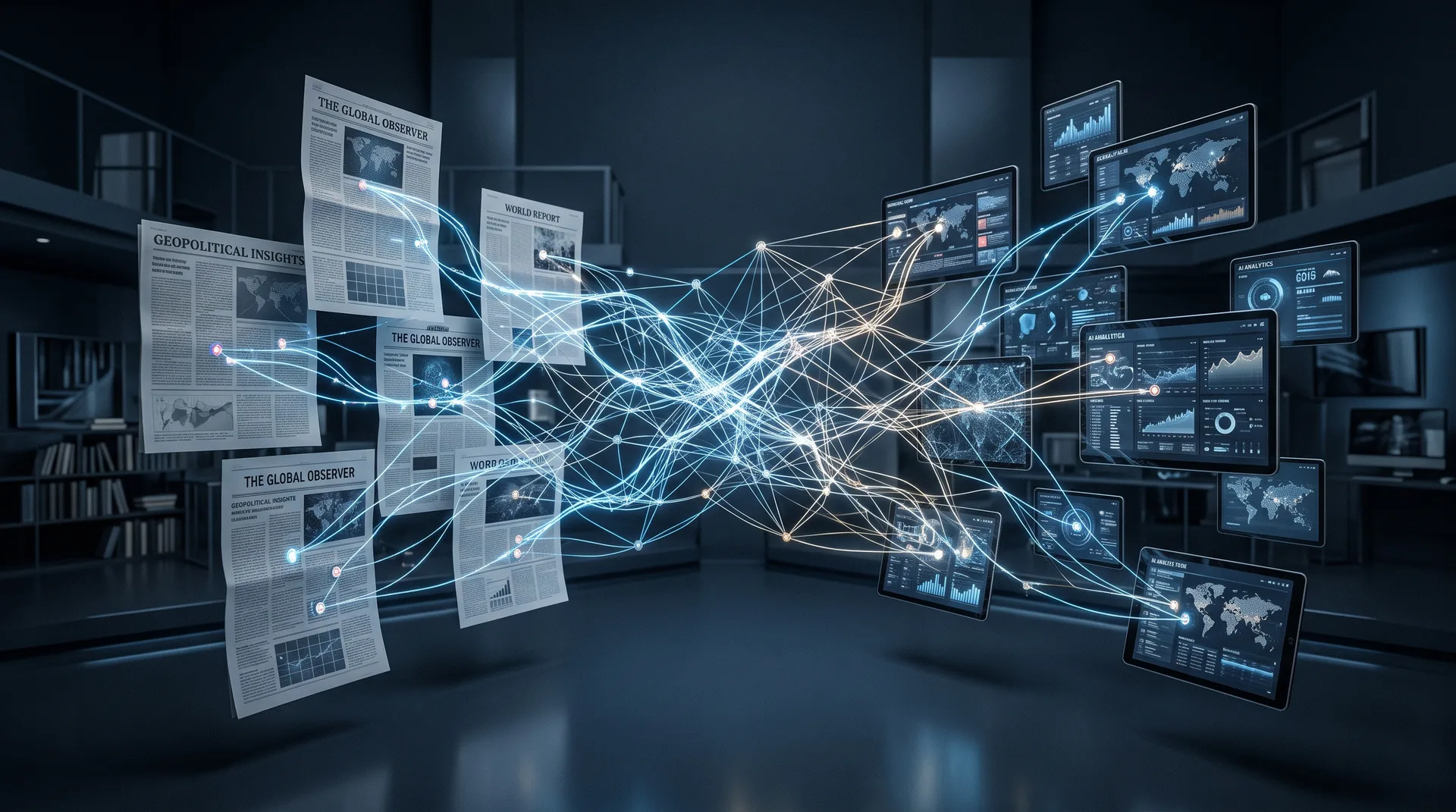
Journalism is undergoing another structural shift as AI reshapes how information is produced and valued. Major publishers have entered licensing agreements with AI companies while The New York Times' lawsuit against OpenAI sets the stage for a copyright battle.
From the 1953 US-British coup in Iran to Venezuela's oil reserves and the Strait of Hormuz standoff, Tony Aguilar examines how oil has driven American foreign policy and why the US Strategic Petroleum Reserve is at its lowest level since 1983.

CBS News fired Scott Pelley after he criticized leadership and accused the editor-in-chief of murdering 60 Minutes. When corporations treat journalism as a brand rather than a public trust, credibility suffers.
Journalism is undergoing another structural shift as artificial intelligence reshapes how information is produced, distributed, and valued. The media industry now sits at an inflection point where the next economic model is still forming, but its early shape is visible through licensing agreements, litigation, and platform integration.
Major publishers including The Associated Press, News Corp, Axel Springer, and The Financial Times have entered licensing agreements with AI companies such as OpenAI, Google, and Microsoft. Meanwhile, The New York Times' ongoing lawsuit against OpenAI and Microsoft has set the stage for a battle over copyright, fair use, and the boundaries of machine learning training practices.
AI · Journalism · Media Economy · Licensing · Knowledge SystemsRead the commentary
About the Author
Melissa Cannell is a newspaper reporter, freelance correspondent, and public relations representative. A graduate of Weber State University, her writing has appeared in the Davis County Clipper, Utah Spirit magazine, and the Deseret News.
Three esteemed historians - Victor Davis Hanson, Sir Niall Ferguson, and Steven Kotkin - were hosted by Peter Robinson to debate the consequentiality of the Trump administration. While Hanson and Ferguson gave the president high marks, Kotkin maintained his role as historian and stated it is too soon to tell.
Being consequential does not denote whether a president was good or bad, but whether their actions had a profound effect on the nation. The question is not whether President Trump is consequential but how consequential and for how long.
Trump · Presidential History · Historians · Victor Davis Hanson · Niall FergusonRead the commentary
About the Author
Tony Aguilar is the founder of Casa Margo Communications Group and a veteran political analyst and commentator specializing in international affairs, democracy, and U.S. foreign policy.
On June 2, CBS News fired longtime 60 Minutescorrespondent Scott Pelley. His dismissal came after he criticized Executive Producer Nick Bilton and accused Editor-in-Chief Bari Weiss of “murdering” the show during a heated staff meeting. One of America's most trusted news brands is experiencing a period of turmoil.
Known for accountability journalism and tough interviews with public officials, 60 Minutes now faces questions about its internal governance and editorial independence. When corporations treat journalism primarily as an asset rather than a public trust, they risk compromising its credibility.
Media · Journalism · CBS News · 60 Minutes · Editorial IndependenceRead the commentary
About the Author
Melissa K. Cannell is a newspaper reporter, freelance correspondent, and public relations representative. A graduate of Weber State University, her writing has appeared in the Davis County Clipper, Utah Spirit magazine, and the Deseret News.

South Africa's parliament is convening an impeachment committee to scrutinize President Cyril Ramaphosa over the long-running Farmgate scandal, threatening the resilience of the country's young democracy.
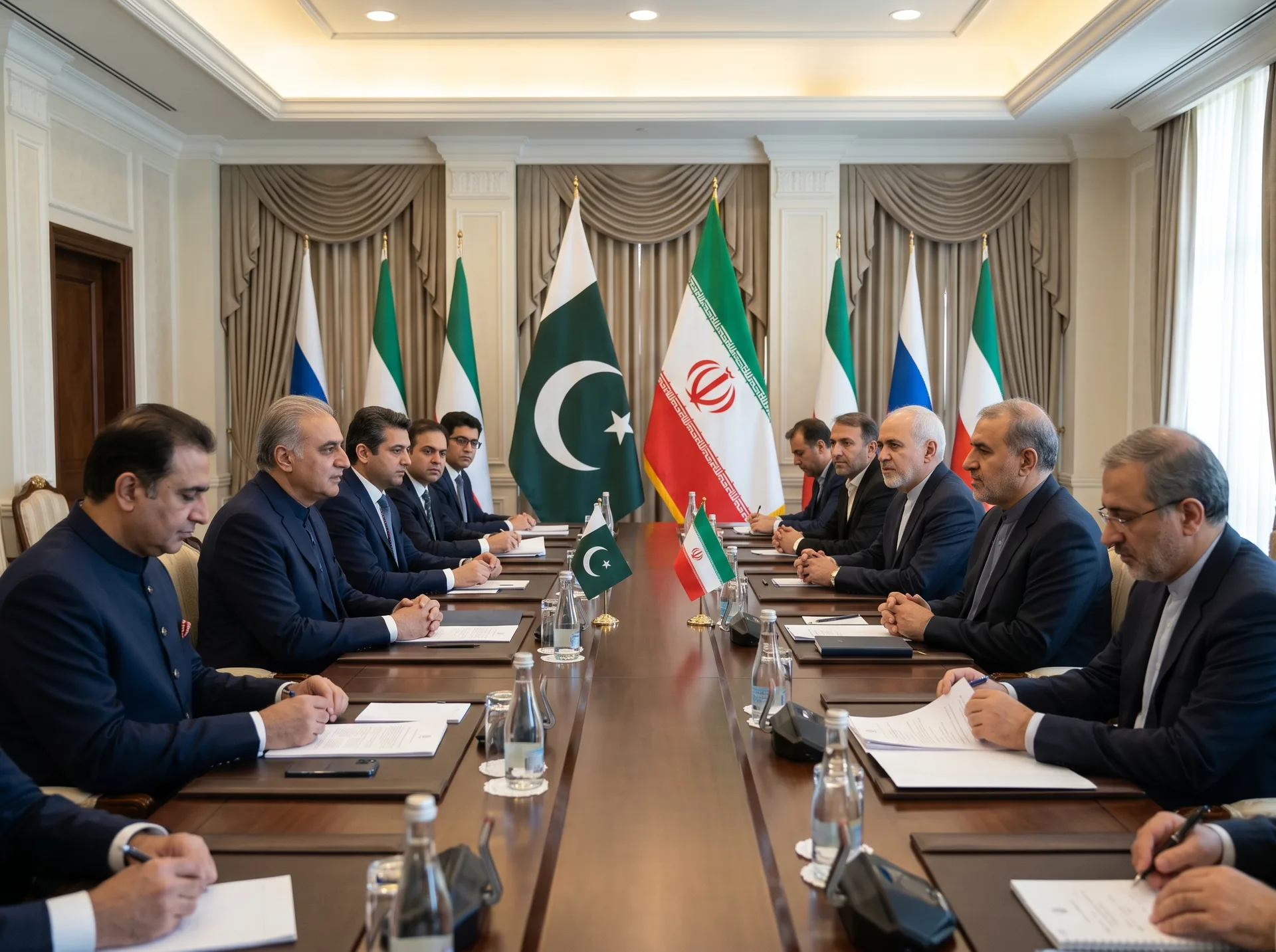
As fears of a wider Middle East war intensified in 2026, Pakistan emerged as a key mediator between Iran and the United States, leveraging its unique diplomatic relationships with all major stakeholders.
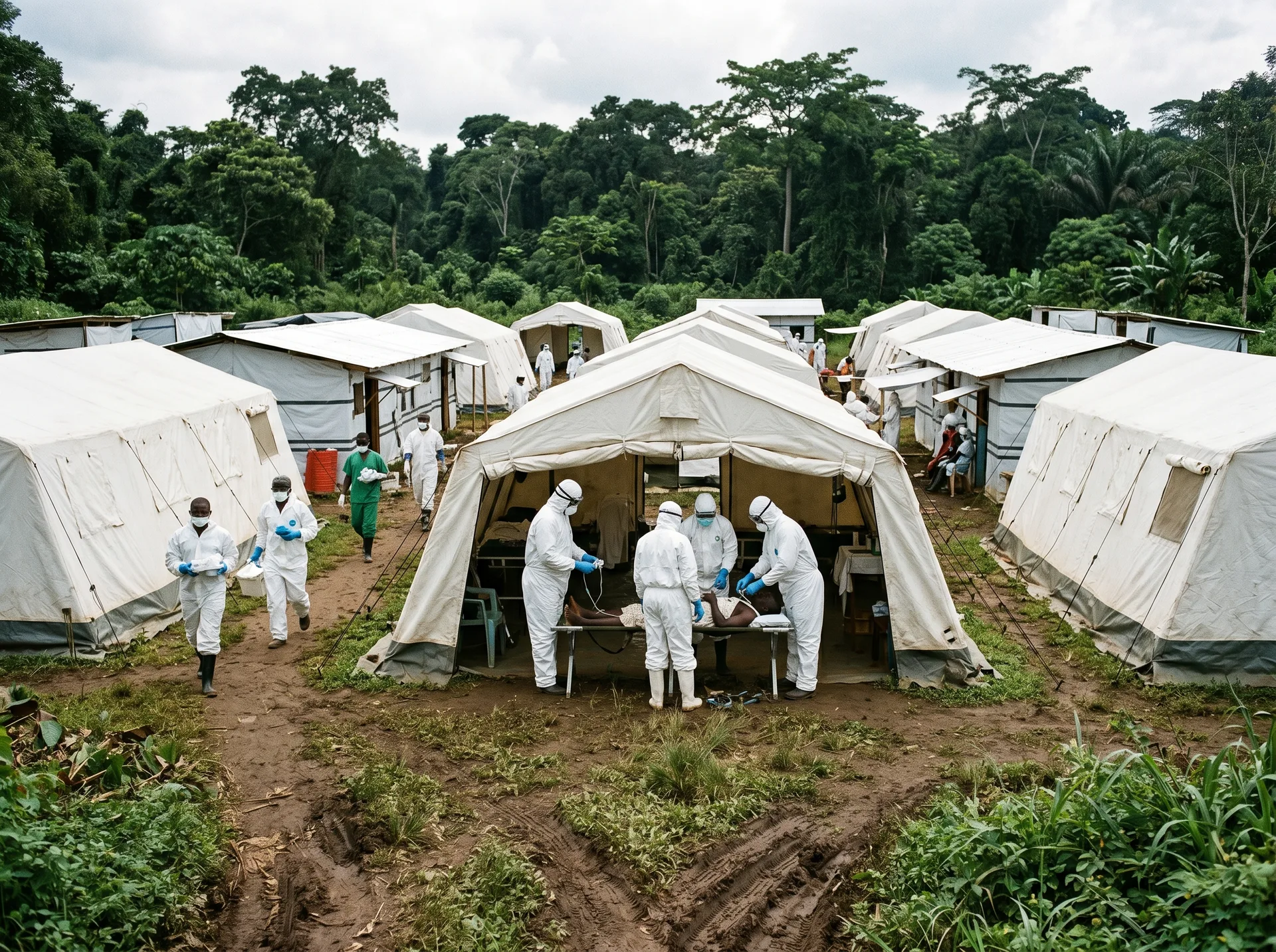
The current Ebola epidemic spreading through the Democratic Republic of Congo and Uganda is a clear warning to the world. By late May 2026, the DRC recorded 282 verified cases and 42 known deaths.
South Africa's parliament is convening an impeachment committee to scrutinize President Cyril Ramaphosa over the long-running "Farmgate" scandal. Downplayed for years, the political drama threatens to test the resilience of the country's young democracy and its fragile Government of National Unity.
Triggered by a Constitutional Court ruling in May 2026, the process marks the latest chapter in a saga that began in 2020 when burglars raided Ramaphosa's Phala Phala game farm. A 31-member impeachment committee drawn from 16 political parties is set to begin its meetings. Though any removal vote requires a two-thirds majority, the political fallout could reshape South Africa's fragile coalition.
South Africa · Ramaphosa · Impeachment · Farmgate · ANC · DemocracyRead the commentary
About the Author
Daniel Onyango is a writer and analyst covering African politics, governance, and democratic development.
As fears of a wider Middle East war intensified in 2026, few countries possessed both the incentive and the ability to prevent further escalation. At the center of that effort stood Pakistan, a country whose geography, diplomatic relationships, and strategic interests placed it in a uniquely influential position. In a region increasingly defined by polarization, Islamabad found itself performing one of the most delicate balancing acts in contemporary diplomacy.
For Pakistan, involvement in the Iran-US negotiations was not simply an opportunity to enhance its international standing. It was a matter of national security, economic stability, and regional necessity. Few countries simultaneously maintain active channels of communication with Iran, the Gulf states, China, and the United States, making Islamabad an indispensable bridge during a period of profound mistrust.
Pakistan · Iran · United States · Diplomacy · Mediation · South AsiaRead the commentary
About the Author
Areeb Imran is a contributor to Aguilar Commentary, providing independent analysis on South Asian affairs, diplomacy, and international security.
The current Ebola epidemic spreading through the Democratic Republic of Congo and Uganda is a clear warning to the world. It is caused by the Bundibugyo strain of the virus. This form of Ebola is dangerous, as there is neither an approved vaccine nor any treatment for it.
Ebola does not spread easily like the flu, but is lethal when the disease enters families, health centres, or local communities. The outbreak should not be perceived solely as an African problem. Ebola is an inherently global health challenge; it travels via humans, health systems are interconnected, and when a local epidemic is neglected, it can quickly escalate.
By late May 2026, the number of reported Ebola cases had climbed significantly. According to Reuters, the Democratic Republic of Congo recorded 282 verified cases, with 42 known deaths. Ituri Province was reported to have the highest number of infections, although cases were confirmed in Uganda, as well. The WHO expressed its concern about the effects of poor information and unsanitary burial practices on the spread of the virus.
Although alarming, these numbers are probably lower than the actual toll of the epidemic. Ebola outbreaks can occur in remote areas with limited diagnostic capacity, and some infected individuals die before reaching medical facilities. Others may try to conceal their symptoms to avoid quarantine and the social stigma associated with the disease.
While verified cases are in the hundreds, the number of people indirectly affected could be significantly larger. This does not necessarily mean millions will contract Ebola, but rather millions will live under a shadow of fear, subject to border controls, clinics under strain, reduced income, and pressure on their healthcare systems. In eastern Congo, already fractured by conflict, poverty, and widespread displacement, a high concentration of people living in close proximity makes contact tracing and patient isolation far more difficult. Should the epidemic not be contained quickly, it is likely to spread from hundreds to thousands, impacting millions in Congo, Uganda, and neighboring nations.
The problem of Ebola requires a global perspective for three main reasons:
1. Disease transcends borders. The outbreak in Uganda demonstrates that an epidemic is not confined to a single nation. Several suspected travel-linked cases have also been investigated outside of Africa, although many later tested negative for Ebola.
2. Weak health systems affect everyone. Ebola has devastating effects on the health professionals who confront it. Should medical personnel fall ill, routine care is inevitably compromised, leading to an increase in deaths from other diseases.
3. We have been in this situation before. The Ebola epidemic in West Africa and, more recently, the COVID-19 pandemic show us that idleness is both deadly and costly. Early intervention is more affordable and far safer than dealing with later panic.
It may not always be possible to prevent the first case of Ebola itself, as it arises from contact with infected animals. However, the size of the epidemic might have been reduced through the early detection of cases in strengthened local health systems, quicker diagnosis at faster diagnostic centres, and swifter contact tracing by more available health workers. Bundibugyo Ebola has been known for years, but there still remains no approved vaccine or treatment for it. Diseases that pose a threat to poorer countries are generally underfunded. Better preparation could have involved regular outbreak drills, improved border health officials, more sophisticated clinics, safer personal protective equipment, greater local education, and stable funding.
Donald Trump's reaction deserves both commendation and critique. On the plus side, the US has contributed funding, personnel from the Center for Disease Control and Prevention (CDC), airport health screening, and medical aid to Ebola treatment centers. These are vital components of a well-staffed, properly-resourced clinic.
The downside is that the response seems focused primarily on ensuring that the virus does not reach American soil, and travel restrictions, while seemingly stringent, are hardly the definitive solution. The WHO has spoken out against unwarranted restrictions on trade and travel, as they may encourage stigma and deter countries from reporting outbreaks in the future. The most logical way of combating it is not through travelers entering or leaving the country but through aiding the affected countries to get a handle on the outbreak swiftly.
Nations should take rapid, practical action. Rich nations should provide not only funds but also PPE, portable diagnostic centres, transport ambulances, sanitation, and skilled teams. They should work with the WHO, Africa CDC, local health ministries, and aid organizations such as Médecins Sans Frontières and the Red Cross. Political infighting and other conflicts should not stand in the way of assistance. States should refrain from casting blame and fostering stigmas; this has been a key contributor to previous epidemics escalating beyond control.
The current Ebola epidemic should be seen as a crucial test of international responsibility. We already have the tools to combat such an outbreak. We also know that indecisiveness and delayed action lead to disastrous outcomes. This epidemic can still be brought under control, but only through immediate government cooperation. Ultimately, this fight is not just about saving lives in Congo and Uganda but about demonstrating to the world that effective global health security can only be achieved through early and fair intervention at the point of origin.
Ebola · Global Health · Congo · Uganda · Public Health · Bundibugyo
About the Author
Dr. Aqsa Munir is a contributor to Aguilar Commentary, providing independent analysis on global affairs, humanitarian policy, and international development.
The current Ebola epidemic spreading through the Democratic Republic of Congo and Uganda is a clear warning to the world. It is caused by the Bundibugyo strain of the virus, which is dangerous, with neither an approved vaccine nor any treatment available. By late May 2026, the DRC recorded 282 verified cases and 42 known deaths.
Ebola does not spread easily like the flu, but is lethal when the disease enters families, health centres, or local communities. The outbreak should not be perceived solely as an African problem. Ebola is an inherently global health challenge. It travels via humans, health systems are interconnected, and when a local epidemic is neglected, it can quickly escalate.
Ebola · Global Health · Congo · Uganda · Public Health · BundibugyoRead the commentary
About the Author
Dr. Aqsa Munir is a contributor to Aguilar Commentary, providing independent analysis on global affairs, humanitarian policy, and international development.
Dr. Marlene Wind, professor of political science at the University of Copenhagen, and Dr. Dafydd Townley of the Military Education Team at Portsmouth University discuss the future of NATO.
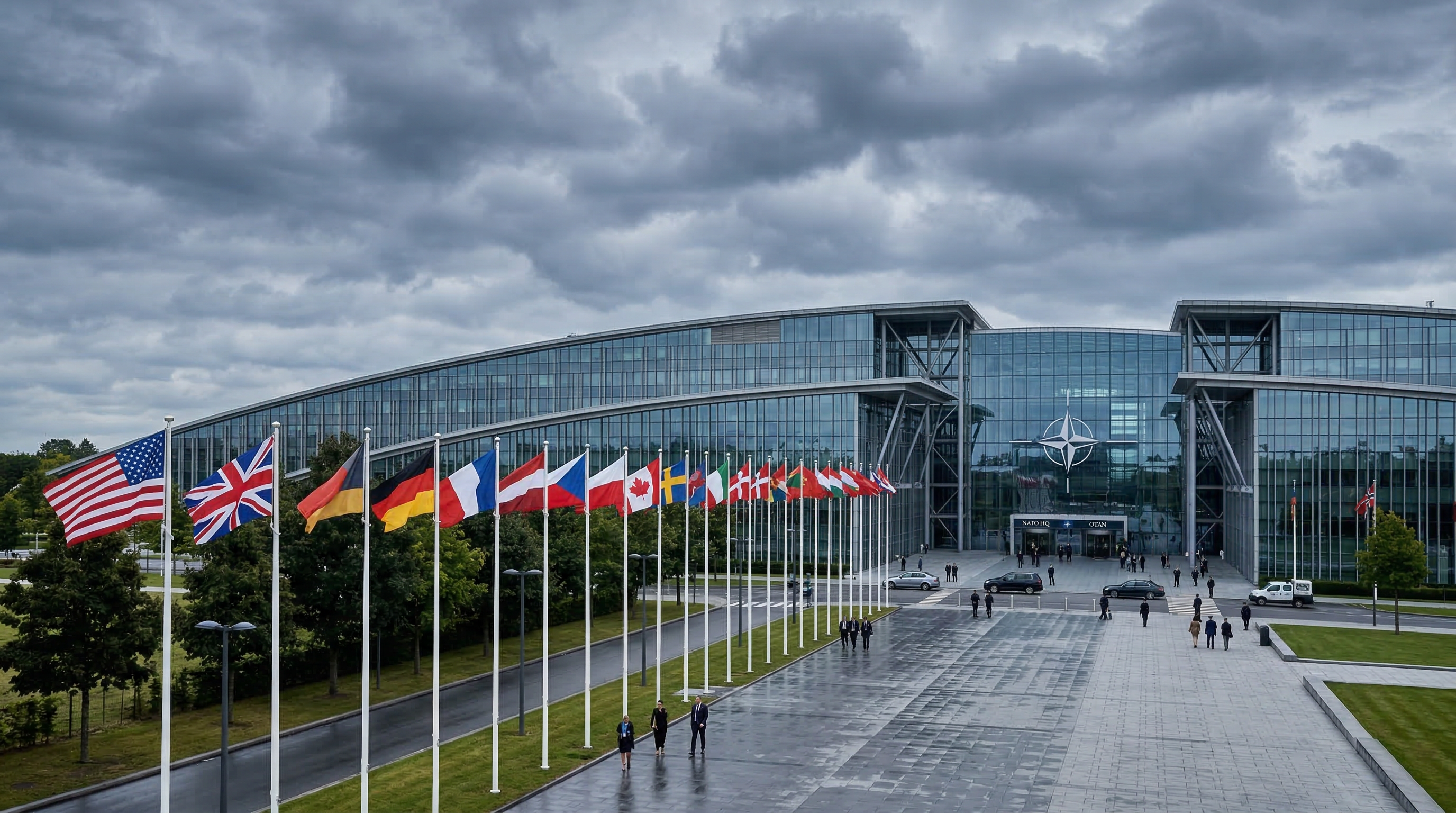
The Aguilar Conversations brings together two leading international security scholars for an in-depth discussion on the North Atlantic Alliance, examining its founding principles, evolving role in a shifting geopolitical landscape, and what the future holds for collective defence in the 21st century.
Featured Guests
Dr. Dafydd Townley
Senior Teaching Fellow in International Security, University of Portsmouth
Dr. Marlene Wind
Professor of Political Science, University of Copenhagen & Director, Centre for European Politics
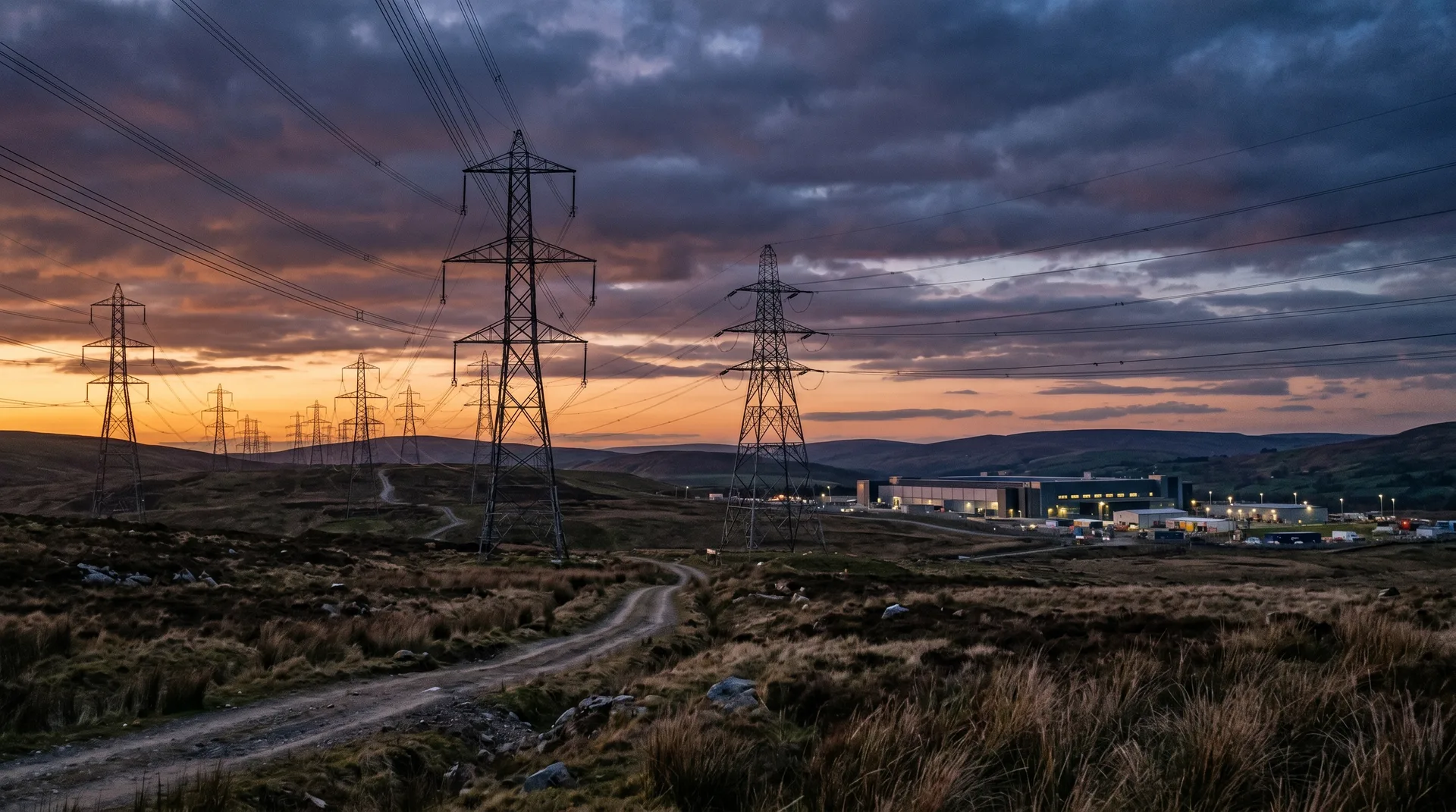
Artificial intelligence (AI) runs inside expansive U.S. data centers. These facilities continue to spread as adoption accelerates. They already consume about 4-5% of the nation's electricity, and demand will rise over the next 5, 10, and 15 years. Depending on size, a single site can house 500 to more than 100,000 servers, all requiring constant power from an aging, uneven grid.
The U.S. does not lack energy. It lacks a modern, efficient delivery system. Most transmission lines are now 40-60 years old, creating bottlenecks that put grid stress at its highest in Texas, Virginia, the Midwest, and the West.
AI · Data Centers · Power Grid · Energy Policy · TechnologyRead the commentary
About the Author
Melissa K. Cannell is a newspaper reporter, freelance correspondent, and public relations representative. A graduate of Weber State University, her writing has appeared in the Davis County Clipper, Utah Spirit magazine, and the Deseret News.
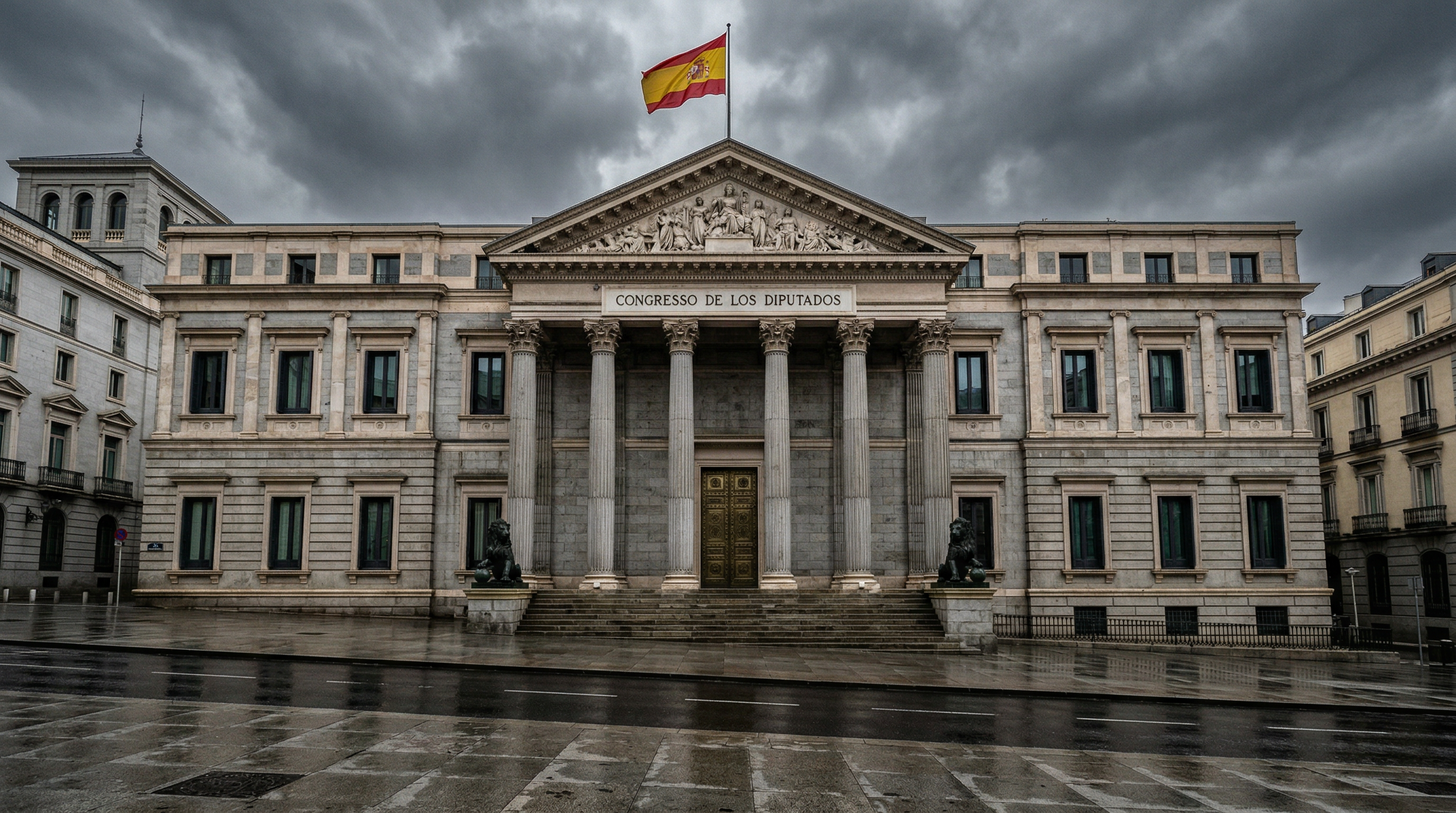
Spain is navigating a complex and volatile political landscape, with Prime Minister Pedro Sánchez at the center of mounting domestic and international pressures. Growing political polarization, corruption allegations, protests, and renewed tensions over Catalan independence have all placed his leadership under strain.
His foreign policy positioning, including a critical stance toward Donald Trump and refusal to support the US war in Iran, further reflects an attempt to balance Spain's role within a shifting global order. Sánchez is likely to remain in power in the short term, but in a state of managed instability.
Spain · Catalonia · NATO · Corruption · Pedro SánchezRead the commentary
About the Author
Alexandra Eleferenko is a geopolitical analyst and independent researcher holding a Master's degree in International Relations from IE University, with a specialization in Global Governance and International Cooperation. Her research focuses primarily on Russia, digital diplomacy, and the strategic use of sports diplomacy. From 2021 to 2024, she served as a contributing writer for the IE International Policy Review.
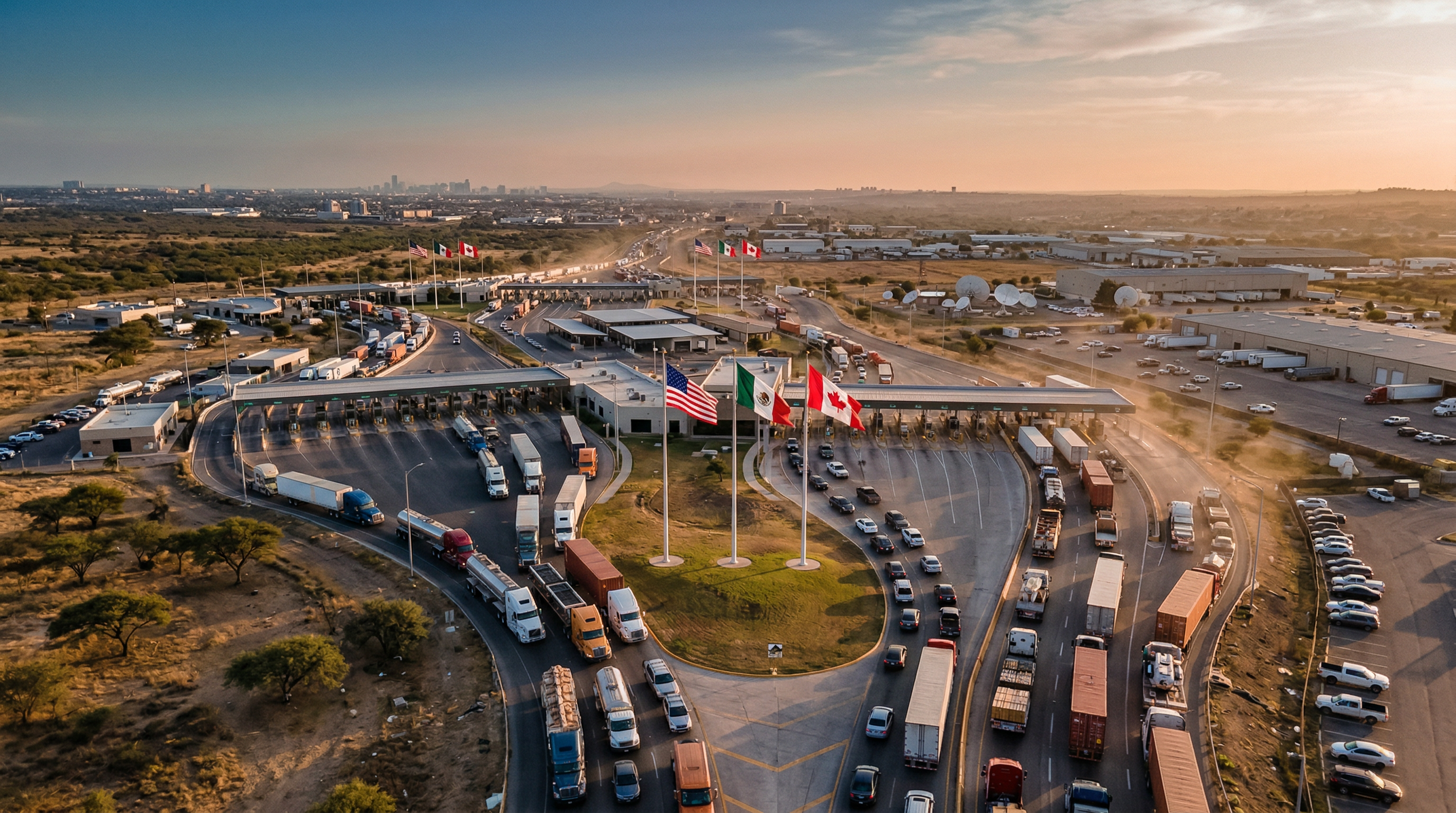
As North America approaches the July 1, 2026, review of the United States-Mexico-Canada Agreement (USMCA), the stakes could not be higher. Lawmakers, businesses, and workers are watching closely to see whether the pact can deliver on its promises: supporting U.S. jobs, boosting growth in industries such as automotive manufacturing, and safeguarding intellectual property and digital trade.
The backdrop is tense, with negotiations limited, Canada staying on the sidelines, and lingering Trump-era tariffs continuing to complicate the road ahead. Mexico's door is open, and dialogue is happening. The review could either solidify North America's trade partnership or expose its vulnerabilities.
USMCA · North America · Trade · Tariffs · Canada · MexicoRead the commentary
About the Author
Melissa K. Cannell is a newspaper reporter, freelance correspondent, and public relations representative. A graduate of Weber State University, her writing has appeared in the Davis County Clipper, Utah Spirit magazine, and the Deseret News.

President Trump backed off his threat to bomb Iran by extending the ultimatum two weeks, yet serious questions remain about unintended consequences. Central among them is whether Iran actually posed a direct threat to the continental United States - a question that remains unresolved.
From just war doctrine to desalination plants, European delinking, and the origins of U.S.-Iran hostility in Operation Ajax, the war's ripple effects reach far beyond the battlefield.
Iran · Just War · Gulf States · NATO · Foreign PolicyRead the commentary
About the Author
Tony Aguilar is the founder of Casa Margo Communications Group and a veteran political analyst and commentator specializing in international affairs, democracy, and U.S. foreign policy.
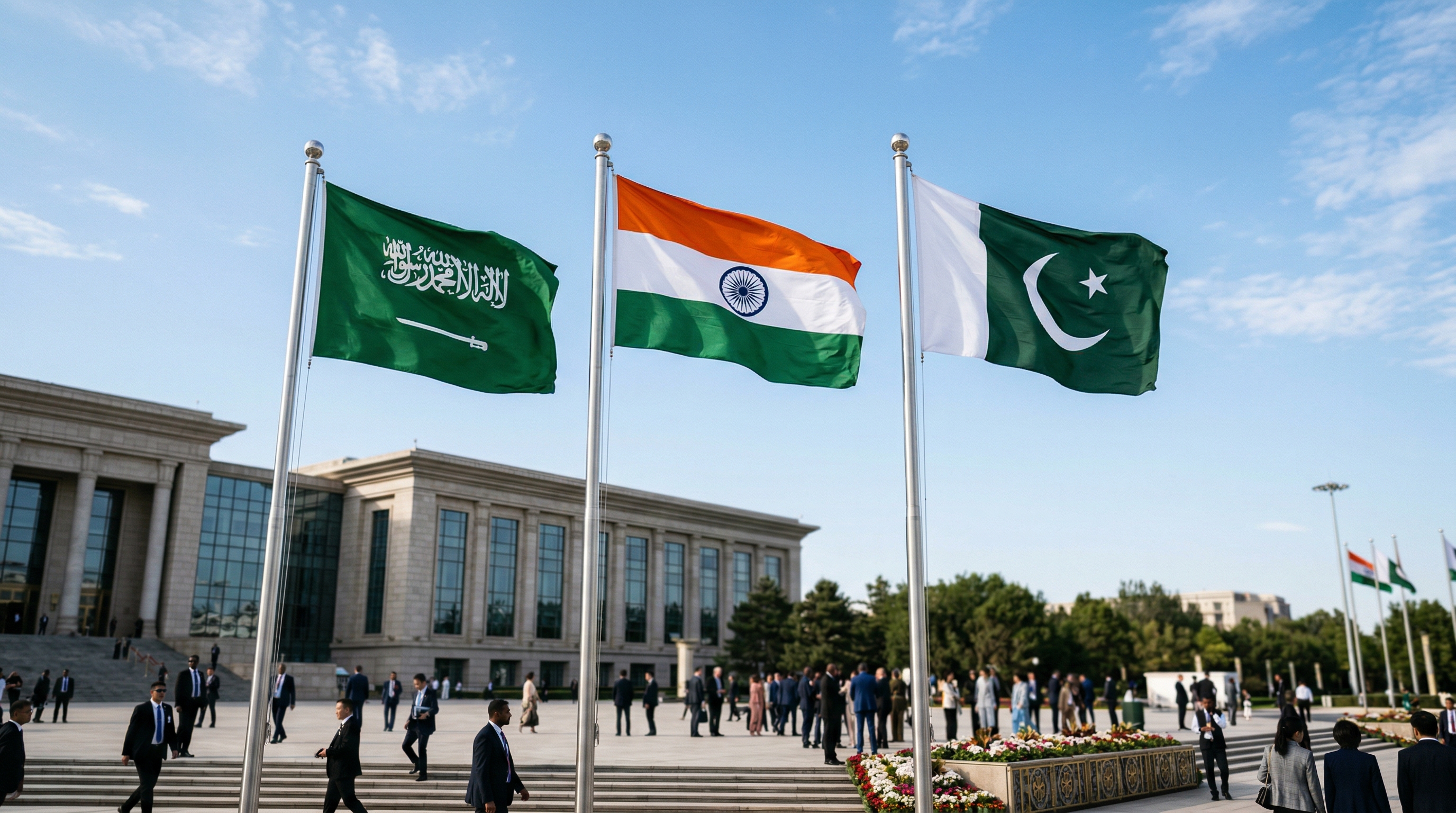
Saudi Arabia maintains strong ties with both India and Pakistan despite their long rivalry. This balancing strategy helps Riyadh pursue its own interests through energy security, regional stability and Vision 2030 goals. While oil remains central, India's economic importance and Pakistan's security role both shape Saudi policy.
The September 2025 Saudi-Pakistan Defence Pact and deepening Saudi-India economic ties have created a complex triangular dynamic. Saudi Arabia supplies about 18 percent of India's crude oil demand while simultaneously pledging $100 billion to Indian energy and technology sectors, all while maintaining strategic insurance through Pakistan's military capabilities.
Saudi Arabia · India · Pakistan · Energy Security · Vision 2030Read the commentary
About the Author
Suman Keshanti is a geopolitical analyst and researcher specializing in South Asian affairs, energy security, and regional diplomacy.
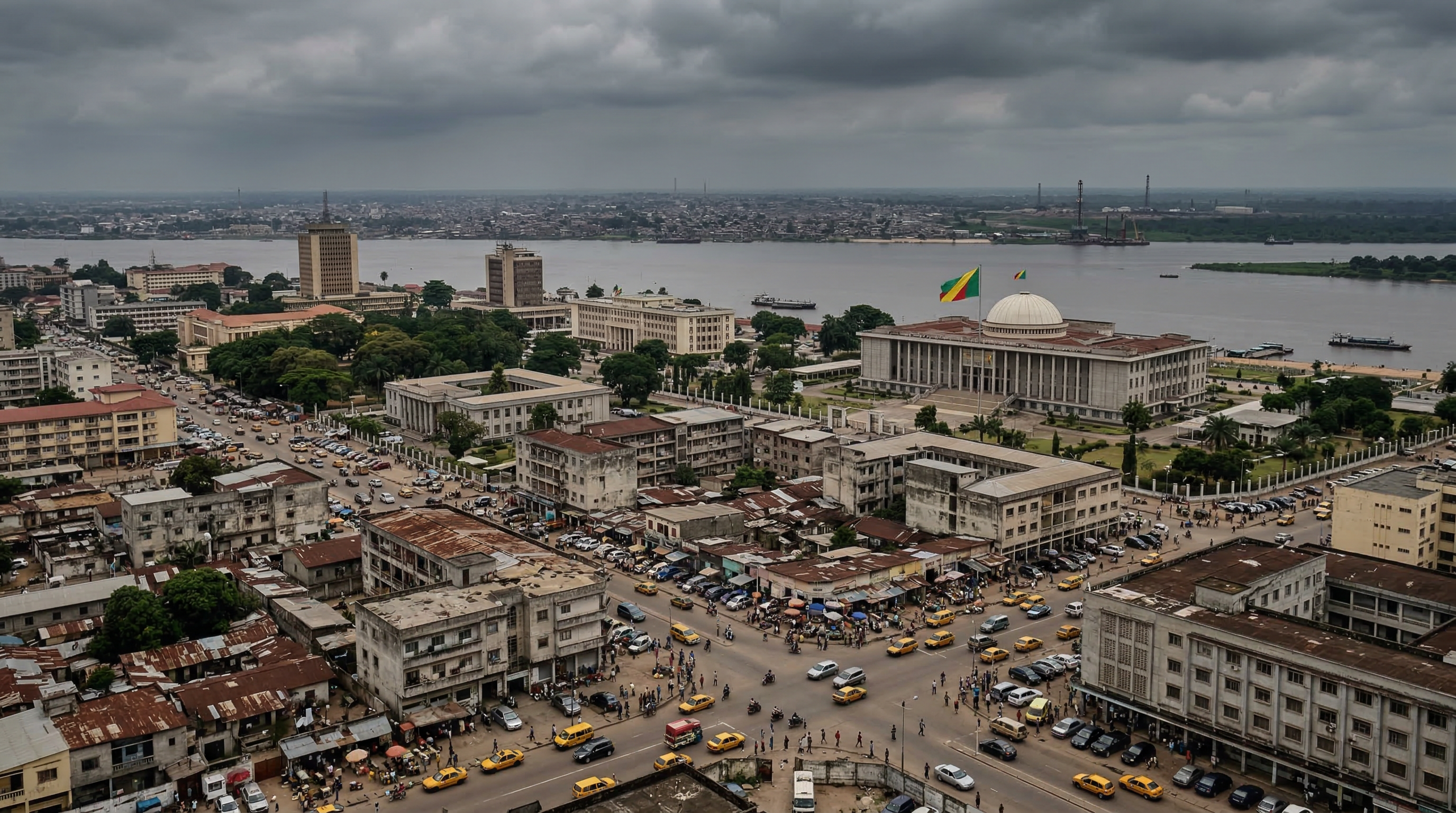
Congo Republic's incumbent President Denis Sassou Nguesso has secured another five-year term under the ruling Labour party, in a result critics termed a "Scandalous Charade."The 82-year-old, who has ruled the oil-rich Central African nation for 42 of 47 years, secured 94.82% of the vote despite boycotts, internet blackouts, and deep public disillusionment.
Critics and civil society groups described a "facade of democracy"in a country ranked near the bottom on global indices for political freedoms and corruption, with youth unemployment hovering near 40% despite the nation being the third-largest oil producer in Sub-Saharan Africa.
Africa · Democracy · Elections · CongoRead the commentary
About the Author
Daniel Onyango is a writer and analyst covering African politics, governance, and democratic development.
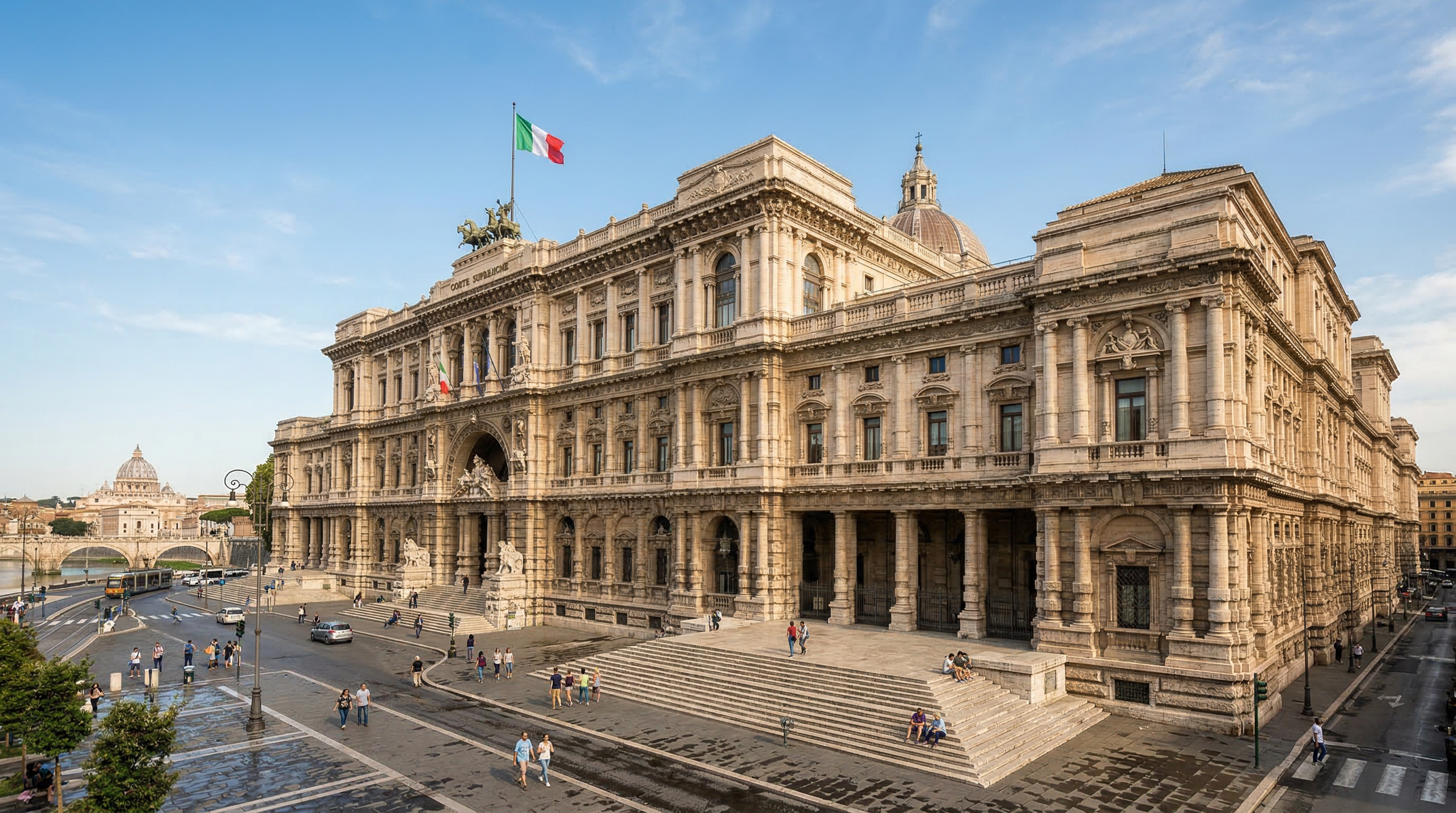
Judicial reform has become a contested issue in Italian politics, with Prime Minister Giorgia Meloni placing institutional changes at the center of her political agenda. Supporters argue that the proposal can strengthen the impartiality of courts and clarify responsibilities. Critics warn that judicial independence may be weakened and that politicization would increase.
As Italy prepares for a referendum, the issue has evolved from a technical legal debate into a political test for the government ahead of the 2027 elections.
Italy · Judiciary · Democracy · 2027 ElectionsRead the commentary
About the Author
Alexandra Eleferenko is a geopolitical analyst and independent researcher holding a Master's degree in International Relations from IE University, with a specialization in Global Governance and International Cooperation. Her research focuses primarily on Russia, digital diplomacy, and the strategic use of sports diplomacy. From 2021 to 2024, she served as a contributing writer for the IE International Policy Review.

As the war with Iran enters its third week, the American president has begun to plead for assistance in opening the Strait of Hormuz. Despite comments saying that Iran has been incapacitated, he has called upon nations to help fight a war they did not initiate.
“Major powers, no matter how powerful, need allies.”
Tony Aguilar
Iran · Strait of Hormuz · AlliesRead the commentary
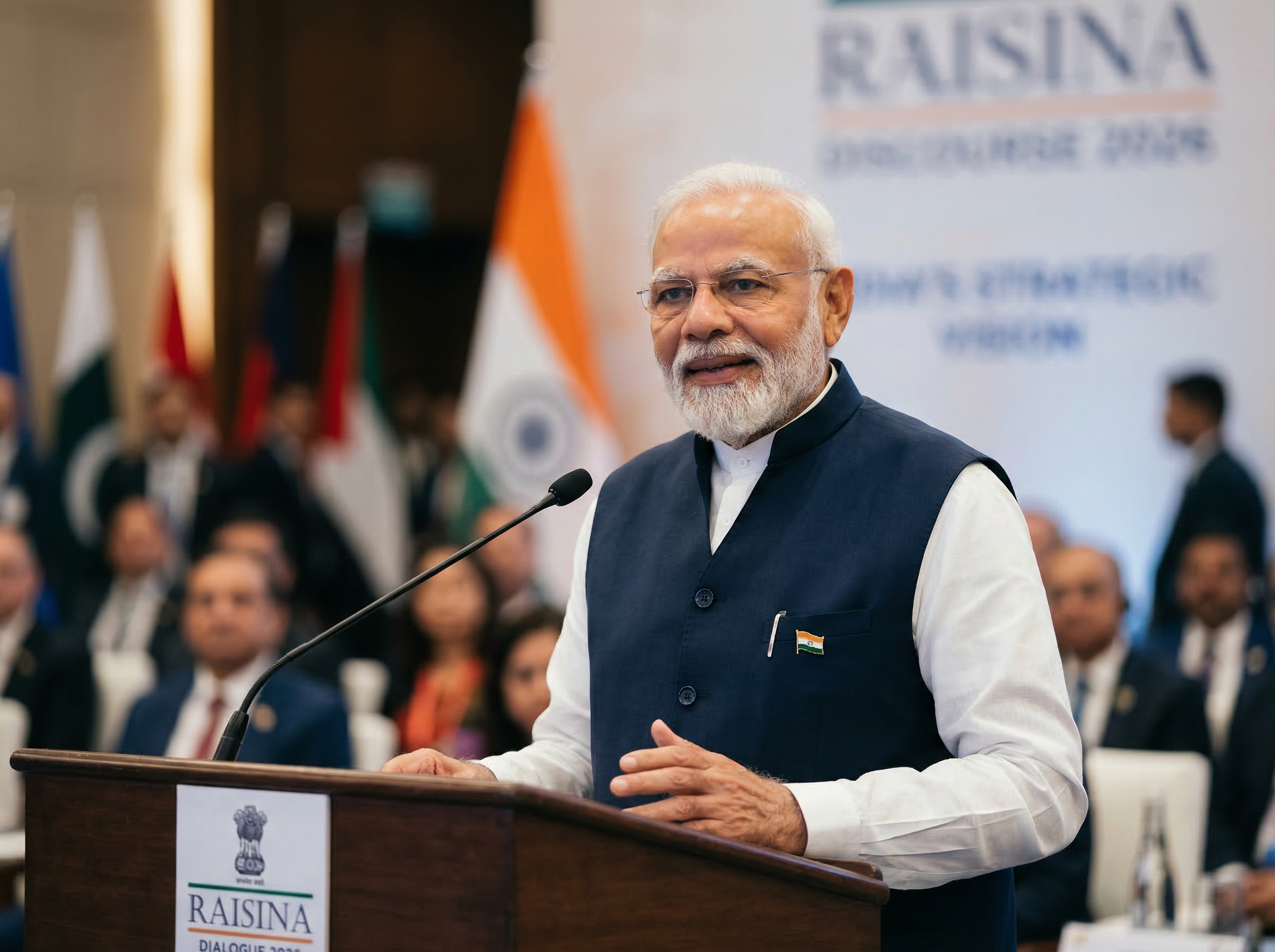
An in-depth analysis of India's strategic positioning at the Raisina Dialogue 2026, examining how New Delhi is navigating the complexities of a multipolar world order. This commentary explores India's foreign policy priorities, its relationships with major global powers, and its vision for a reformed international system that reflects the realities of the 21st century.
Raisina Dialogue 2026 · India's Multipolar StrategyRead the commentary
The Aguilar Conversations
Independent voices. Unfiltered analysis. Every episode.
Subscribe to the Aguilar Conversations Podcast
Stay informed on politics, democracy, and international affairs. New episodes and commentaries, direct from independent experts.
Sign up on YouTubeLatest Episode
Be informed to get involved.
Casa Margo Communications Group publishes independent analysis on international, national, and local issues through expert commentary, podcasts, and interviews. Our contributors bring academic rigor and real-world perspective to the most pressing questions in politics, democracy, and global affairs.
From geopolitical shifts in Central Europe to landmark constitutional rulings in Washington, CMCG provides the context that partisan media cannot.
Organization
Copyright © 2026 CMCG. All Rights Reserved.