Topics / War & Conflict
Lured, Armed,
and Sent to Die
The Scandal of Kenyan Fighters in Russia's Ukraine Invasion
By Daniel Onyango · 2026
As the Russia-Ukraine war continues into its fifth year, one thing is certain: the impact of the war is felt far beyond the frontlines.
In Africa, Kenya is one of the countries whose citizens have been lured into the meat grinder with the false hope of a better life and an easy path to Russian citizenship when the contract ends. Unfortunately, there's no guarantee of any of them ever making it out of the frontlines alive.
Desperate for well-paying jobs amid a high unemployment rate at home, hundreds of unemployed youth, former soldiers, and police officers have been lured into the brutal trenches of Russia's invasion of Ukraine.
Recruitment is fraudulent, carried out through a complex web of rogue agencies that promise victims better pay for civilian jobs such as plant operations, truck driving, electrical engineering, or security work, among other low-risk jobs in Russia.
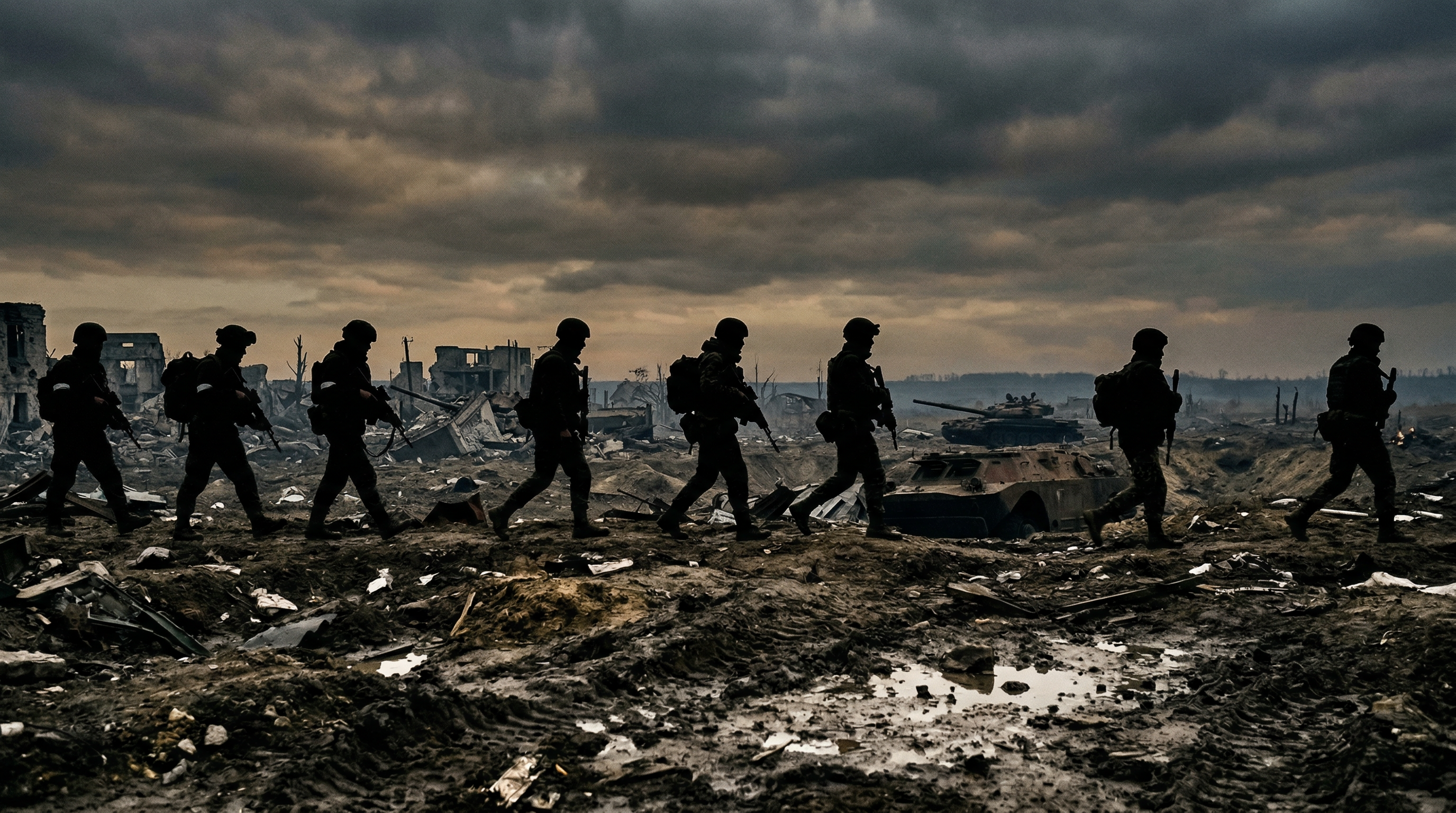
However, as soon as they arrive in Russia, the whole narrative changes. They are sent to training camps for a few weeks, armed, and then sent to the front lines, where death is imminent.
So far, many Kenyan lives have been lost in the battlefield fighting in a war that has nothing to do with their country and families.
More than 1,000 Kenyans Sent to Fight in Ukraine
An intelligence report read to the Kenyan Parliament on Thursday, February 19, 2026, estimates that more than 1,000 Kenyans have been sent to the frontlines, a shocking fivefold increase from the 200 reported by the Kenyan Ministry of Foreign Affairs in November 2025.
As of early February, at least 89 Kenyans remained on the frontlines fighting for Russia, 39 reportedly hospitalized with illness or injuries of varying degrees, 28 missing in action, and at least one confirmed dead. Others have also been repatriated, traumatized, or injured.
However, the number of casualties is likely higher than the official count so far.
According to local news reports, hundreds of Kenyans are either killed or stranded in the Russian war against Ukraine, with personal accounts from survivors painting a grim picture.
"Fight or die"
— The stark choice facing Kenyan recruits at the frontline
Dancan Chege, a 30-year-old truck driver from Kiambu County, was promised a well-paying driving job supplying military barracks in Russia, only to be subjected to a quick ballistic training session upon arrival and then deployed to the frontline, where they face kamikaze drones, artillery strikes, and landmines.
With a stark choice of "fight or die," Dancan faked madness and was repatriated after contacting his family. Unlike Dancan, who made it home alive, most of his friends didn't. They were killed and their bodies abandoned on the battlefield, leaving their families in grief with no bodies for a proper burial ceremony.
Following the National Intelligence Service's report, Kenya's government responded with outrage and action, with Kenya's Prime Cabinet Secretary, Hon. Musalia Mudavadi, describing the use of Kenyans as "cannon fodder" in Russia's war in Ukraine as "unacceptable and clandestine."
What does Kenya get?
The intelligence report triggered concerns about potential collusion by elements within the Russian government and corrupt Kenyan immigration officials to expedite the document processing for the recruits and facilitate their travel through complex routes to avoid detection.
However, the Russian Federation's embassy in Kenya refuted claims that it is involved in recruiting Kenyans to the front lines in Ukraine.
So far, the Kenyan government has repatriated 27 Kenyans and launched investigations into the rogue recruiting agencies, many of which have already been closed down.
"Unacceptable and clandestine"
— Hon. Musalia Mudavadi, Kenya's Prime Cabinet Secretary, on the use of Kenyans as "cannon fodder"
While these rogue agencies have been providing the Russian military with expendable infantry to sustain the ongoing war in Ukraine, Kenya gains nothing positive. Instead, it incurs a high cost: lost lives, traumatized survivors, and grieving families unable to retrieve the remains of their loved ones — and a huge cost in investigations and reparations.
PUBLISHED IN CMCG TOPICS · CASA MARGO COMMUNICATIONS GROUP
About the Author
Daniel Onyango
Daniel is an independent online journalist with vast experience covering global news across geopolitics, technology, health, energy, oil and gas, sustainability, and other human-interest stories.