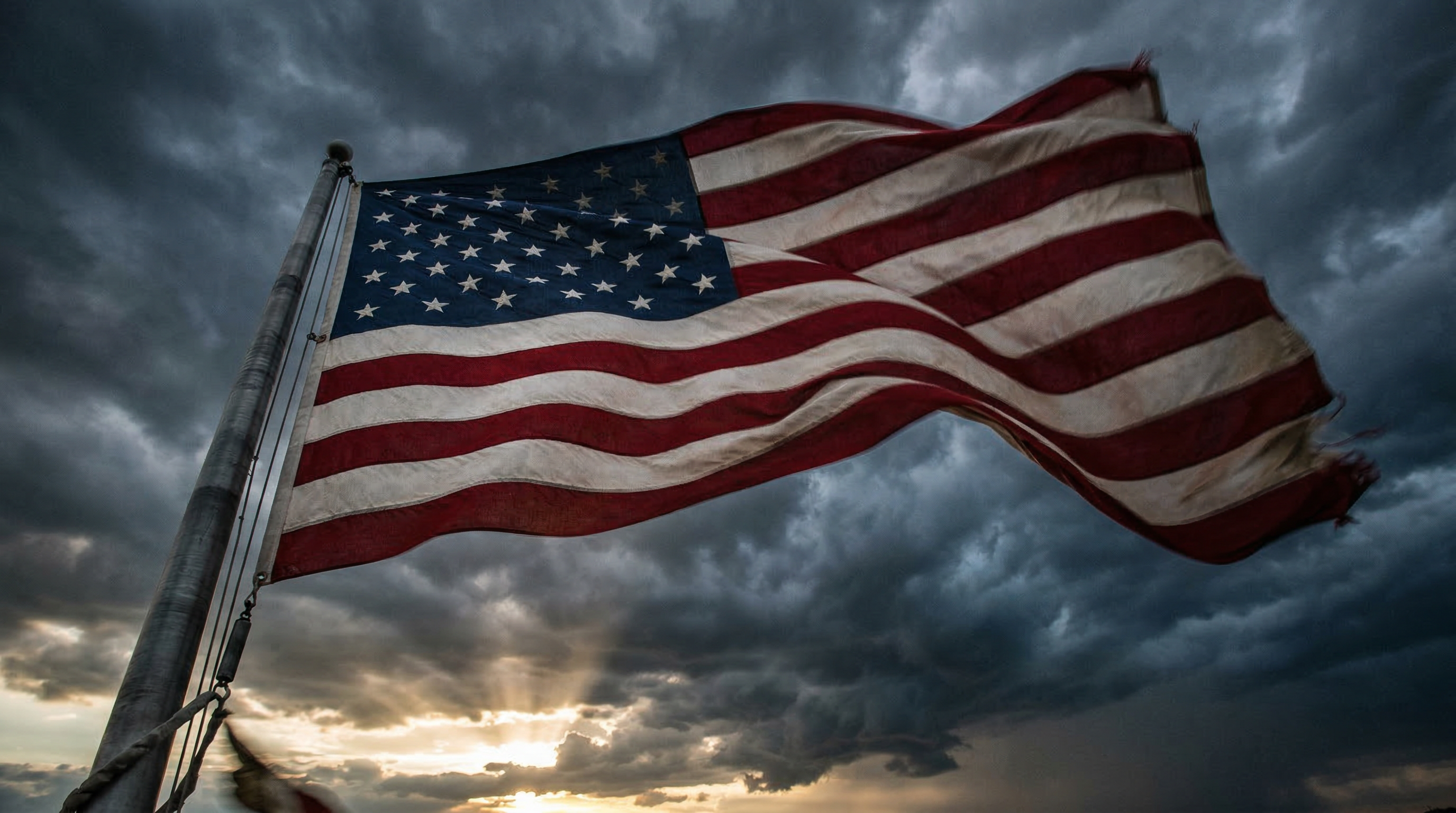
America at a Crossroads
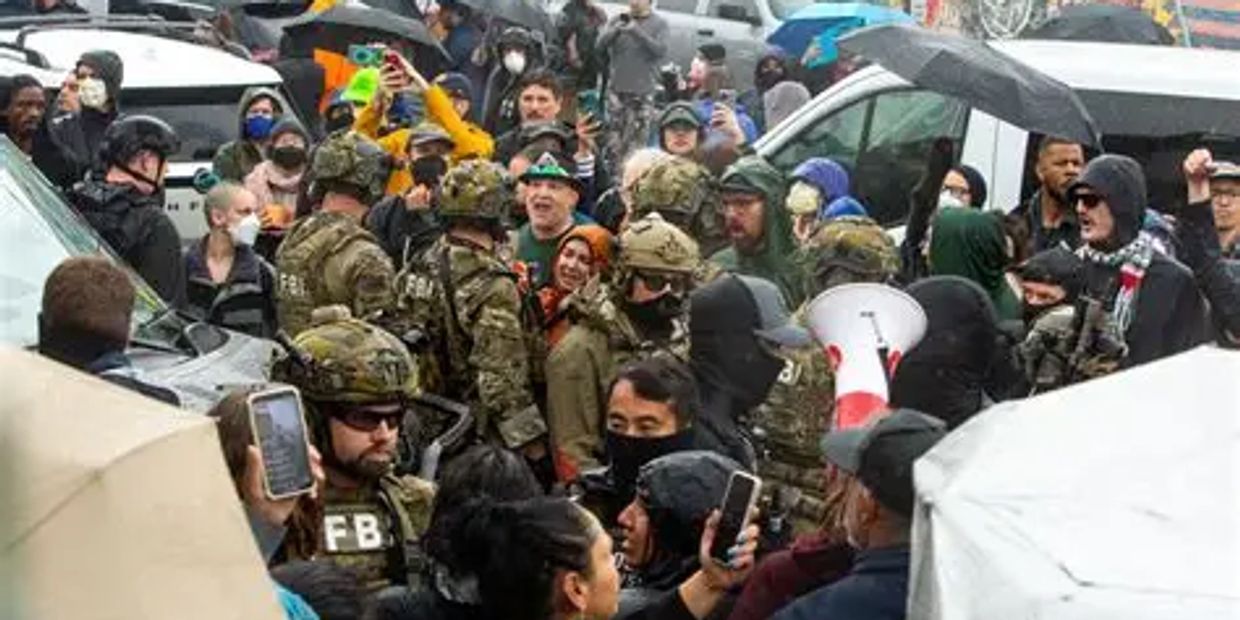
Minnesota has become the epicenter of the conflict between an overreaching government and the pushback by American citizens. As nations around the world witnessed the brutality of America on Bloody Sunday in 1965, nations around the world are again witnessing the hypocrisy of a government that prides itself on fairness even as it seemingly goes against its own constitution. The needless deaths of two American citizens, namely Renee Good and Alex Pretti, countless arrests of immigrants who have legal cause to be in the country has created a citizen uprising against an immigration policy that is seen by many people to be immoral.
While a memorandum issued by the Department of Justice claiming a warrant is not needed to enter an individual's home is clearly illegal and unconstitutional it has had a chilling effect on the nation.
When it comes to ICE, training is not the issue. It is rather the manifestation of immoral leadership that has unleashed rogue culture warriors upon the nation.
Some out of willful ignorance have criticized the protests as being organized. The protests are indeed organized and represent one of the bedrocks of civil society. It is organized protests that led to the Montgomery Bus Boycott, passage of civil rights legislation, and the equal rights amendment. In fact, the American Revolution was an organized protest against the tyranny of Great Britain.
“Organized protest is one of the bedrocks of civil society.”
— Tony Aguilar, CMCG Commentary
Perhaps those who criticize the protests should remember the 1946 confessional words of Lutheran minister Martin Niemöller, who after his own road to Damascus experience, wrote words that echo across every generation.
Historical Precedent
From the Montgomery Bus Boycott to the American Revolution itself — organized protest has always been the engine of democratic change.
First, they came for the Communists,
And I did not speak out Because I was not a Communist
Then they came for the Socialists,
And I did not speak out Because I was not a Socialist
Then they came for the trade unionists,
And I did not speak out Because I was not a trade unionist
Then they came for the Jews,
And I did not speak out Because I was not a Jew
Then they came for me
And there was no one left to speak out for me
250
Years since America's founding — and the question of whether its republic can survive remains as urgent as ever.
Historical Failures
- Slavery
- Chinese Exclusion Act
- Trail of Tears
- Japanese Internment
- 1918 American Plan
America is in the midst of a moral dilemma. It is not the first moral dilemma the nation has faced, and it won't be the last.
Unfortunately, more times than not, America has failed to live up to the mythology it has created about itself. From slavery, the Chinese Exclusion Act, Trail of Tears, Japanese internment to women harassed under the 1918 American plan, the United States has never fully lived up to its claim of being a City on a Hill as described by John Winthrop.
Yet there has always been a large segment of the nation who believed the nation could be better than it is. Across the nation, we are witnessing the best of America through protest and a defiant answer to the biblical question of who is my neighbor?
The Stakes
The nation faces what some see as the most visibly corrupt administration since Watergate. With an emolument clause that has been shredded enabling a president to increase his family wealth by almost four billion dollars, America and its ideals are seemingly being sold out at every opportunity.
Commerce Secretary Howard Lutnick has faced numerous accusations of conflict of interest, and Middle East special envoy Steven Witkoff seems more interested in real estate deals than in the sovereignty of Ukraine.
America is not great because of a desired racial homogeneity.
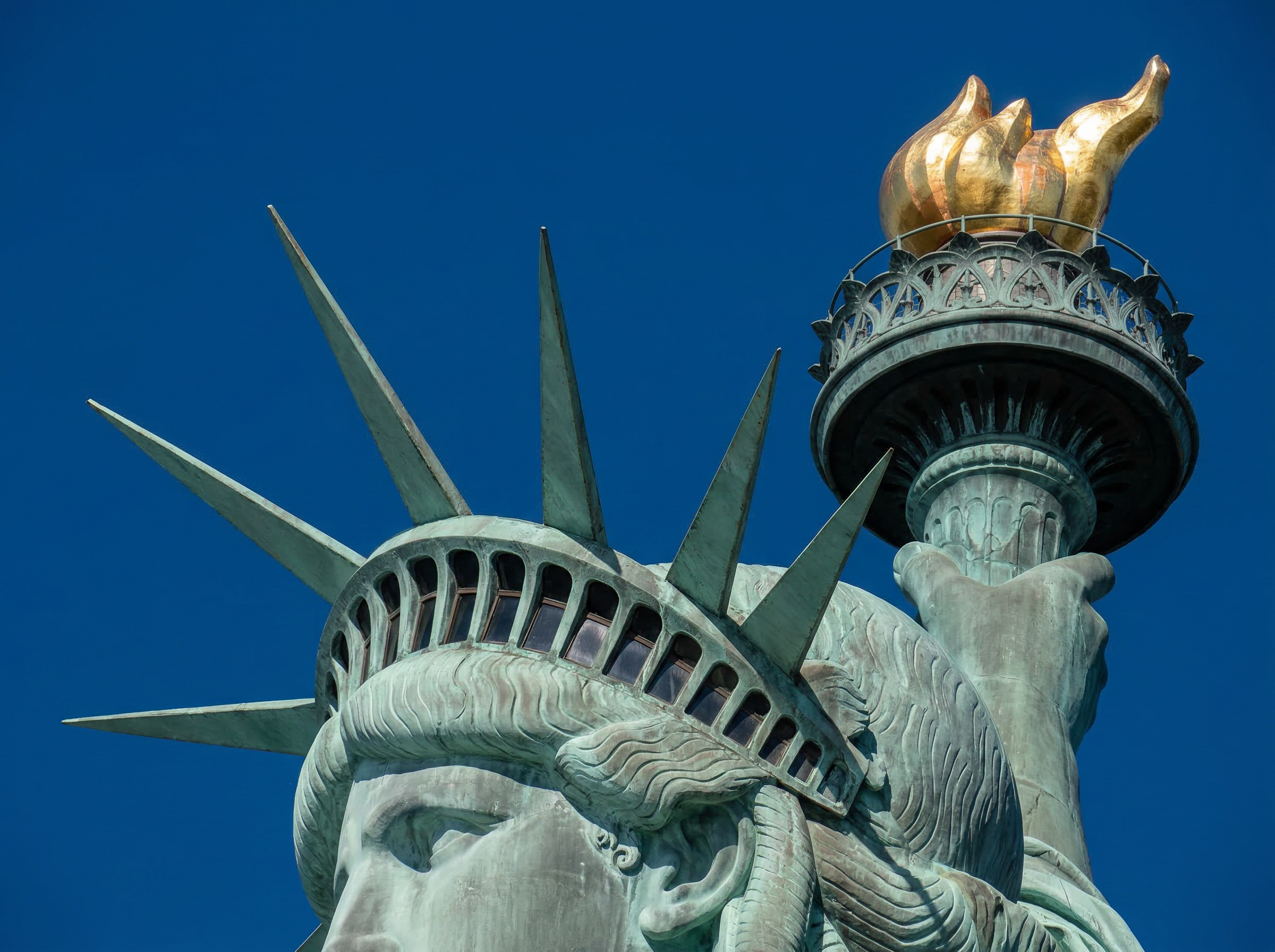
The antithetical belief held by Secretary of Defense Pete Hegseth and Deputy Chief of Staff Stephen Miller is polar opposite to the seven spires of the Statue of Liberty, which represents the seven continents to which America is open.
1215 Magna Carta
What makes America great is what the 1215 Magna Carta laid out and became the basis for the Constitution and Declaration of Independence:
- Limitation of state power
- Freedom of the church
- Individual liberties
- A guarantee of due process
These are the ideals that have drawn people to America's shores from every corner of the globe — not the promise of racial or cultural uniformity, but the promise of universal human dignity under law.
While comparisons to the fall of the Roman Empire is overdone, it must be remembered that the Roman republic ended before the Roman Empire. As America celebrates its 250th anniversary, it is a fair question to ask whether American democracy is on the verge of collapse even as the empire continues.
It is certainly a topic of conversation for many capitals around the world.
Can America turn itself around? The short answer is yes, but as one political figure in Europe told me it may take a generation for America to be trusted again. Renewal of trust will not come because of Majority Leader John Thune or Speaker Mike Johnson. It won't come from the Democrats although they may provide a sense of accountability including several impeachments if they win the House of Representatives.
It won't come from companies such as Target who with other corporate executives issued a milquetoast letter asking for de-escalation by both sides. It will ultimately come from the citizenry of the nation — including those who have come to the realization that they made a grave and perhaps fatal mistake with their vote in 2024.

“It may take a generation for America to be trusted again.”
— European Political Figure, as told to Tony Aguilar
Where Renewal Begins
Not from leadership
Thune, Johnson, or the Democrats alone
Not from corporations
Milquetoast letters asking for de-escalation
From the citizenry
Those who recognize the gravity of their choices
Philadelphia, 1787 — Elizabeth Powel to Benjamin Franklin
“What have we got, a republic or a monarchy?”
“A republic, if you can keep it.”
— Benjamin Franklin
The question asked by Elizabeth Powel to Benjamin Franklin is as relevant today as it was in 1787. Franklin's response seems as prescient as ever.
The Aguilar Conversations
Independent voices. Unfiltered analysis. Every episode.
Stay Informed. Stay Engaged.
Listen to the Aguilar Conversations podcast for independent analysis on politics, democracy, and international affairs — from experts who tell the truth.
Listen to the Aguilar Conversations