Tariffs have been one of Trump's administration's defining features. He has leveraged tariffs to target allies and supposed enemies alike — his modus operandi to bully everyone into submission. The aftermath has made America anything but great, sparking trade wars as other countries impose retaliatory tariffs, leaving both small businesses and large companies reeling with massive losses.
On February 20, 2026, the Supreme Court of the United States delivered a landmark ruling that challenged the very foundation of Trump's tariff agenda. The Court held that emergency tariffs invoked under the International Emergency Economic Powers Act (IEEPA) were unconstitutional — a decisive rebuke of executive overreach.
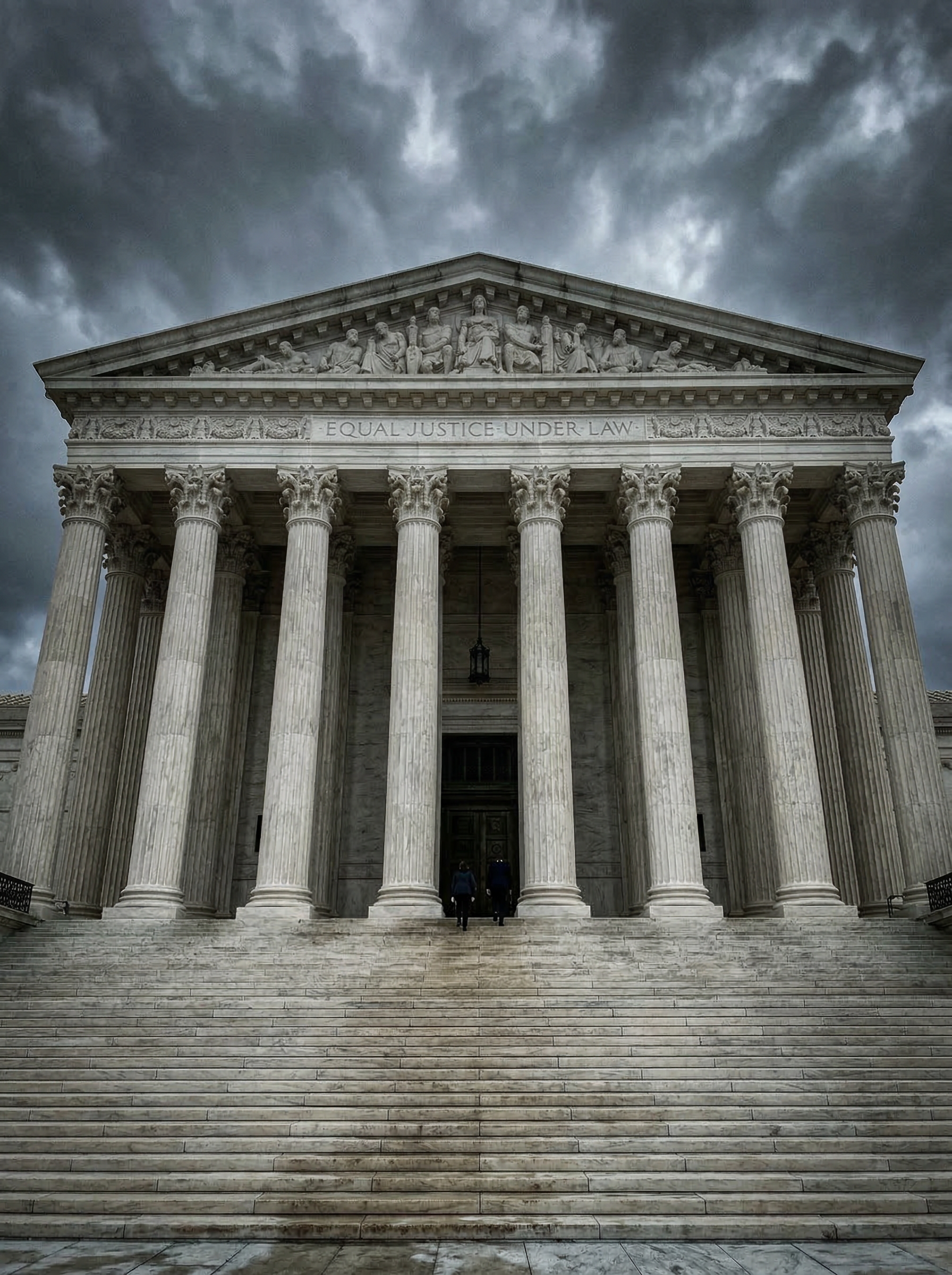
"The president lacks the power to tax or impose tariffs. This authority lies squarely with the US Congress."— Justice Neil Gorsuch, Majority Opinion, Feb. 20, 2026
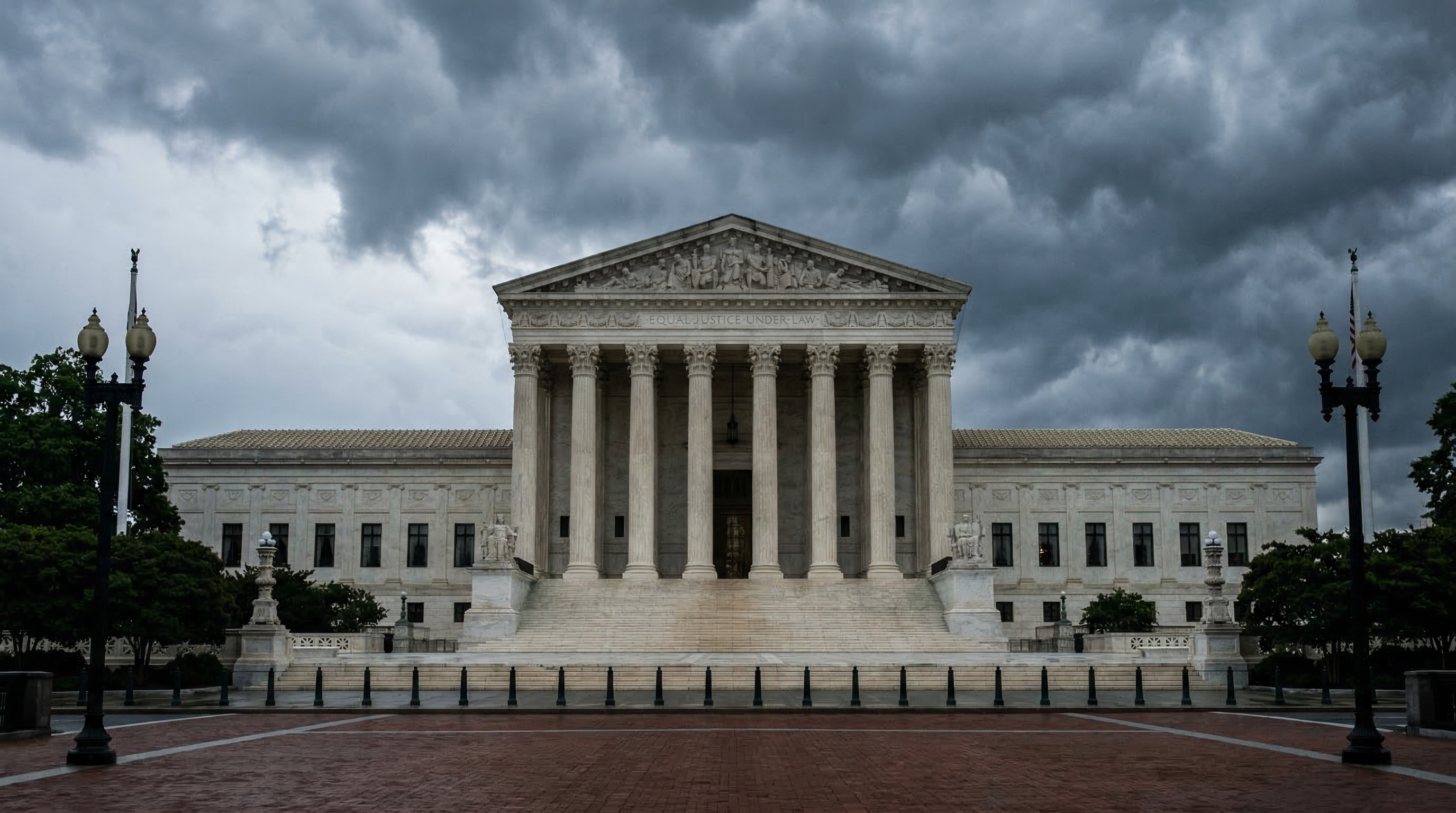
The IEEPA Ruling: A Constitutional Reckoning
The International Emergency Economic Powers Act was never designed to be a blanket authority for the executive branch to impose sweeping tariffs on trading partners. Yet Trump's administration weaponized it to justify tariffs on goods from China, Canada, Mexico, and the European Union — among others.
The Court's majority opinion, written by Justice Gorsuch, was unambiguous: the framers of the Constitution vested the power to tax and impose tariffs in Congress — the body that most directly represents the will of the American people. To allow a single executive to unilaterally impose economic penalties on the world's largest economies under the guise of a declared emergency would fundamentally alter the balance of power the Constitution was designed to protect.
The framers envisioned a country whose actions reflected the collective wisdom of the people's elected representatives — not a single faction or man. This ruling restores that vision.
The Economic Toll
Trade Wars and Their Casualties
The tariff regime did not just damage diplomatic relationships — it inflicted real economic harm on American businesses. Farmers lost export markets. Manufacturers paid more for raw materials. Consumers absorbed higher prices at every level of the supply chain.
Retaliatory tariffs from China, Canada, and the EU targeted American agricultural exports with surgical precision — striking at the very communities that had most vocally supported the administration. The economic damage was not abstract; it was felt in every state, in every sector.
145%
Peak tariff rate imposed on Chinese goods
$380B
Estimated annual cost to U.S. economy
60+
Countries targeted by tariff actions
What Comes Next
The ruling does not end the tariff debate — it redirects it. Congress now faces the question it has long deferred: what is America's actual trade policy, and who should be responsible for setting it? The legislative branch has historically been reluctant to engage in the granular work of trade negotiation, preferring to delegate that authority to the executive. The Court's ruling forecloses that option.
For America's trading partners, the ruling offers a measure of relief — but not certainty. The structural tensions that gave rise to Trump's tariff agenda have not disappeared. Trade imbalances, supply chain vulnerabilities, and the question of China's economic rise remain unresolved. What has changed is the mechanism: future trade policy must now be debated, negotiated, and voted on in the open — as the Constitution always intended.
In that sense, the ruling is not merely a legal victory. It is a reminder that democracy — however messy, however slow — is the only legitimate foundation for decisions that affect every American and every nation that trades with them.
Article I, Section 8 — United States Constitution
"The Congress shall have Power To lay and collect Taxes, Duties, Imposts and Excises."
The constitutional text the Supreme Court cited in striking down the administration's emergency tariff regime — a power that has always belonged to Congress.
The Supreme Court's ruling is a significant check on executive power — and a vindication of the constitutional order. But the deeper question it raises is one that no court can answer: will the political will exist to build a trade policy that serves all Americans, not just those who benefit from economic nationalism?
About the Author
Alicia Stephanie is a contributor to the Casa Margo Communications Group, writing on constitutional law, democracy, and trade policy. Her work examines the intersection of executive power and the rule of law in contemporary American politics.